A well-stocked pantry turns "there's nothing to eat" into dinner in 30 minutes. The idea is simple: keep a short list of shelf-stable staples that combine in many ways, plus a few fresh things that last, like onions, garlic and lemons. Below is the list we build our pantry recipes around, and five dinners you can make from it.
The five recipes
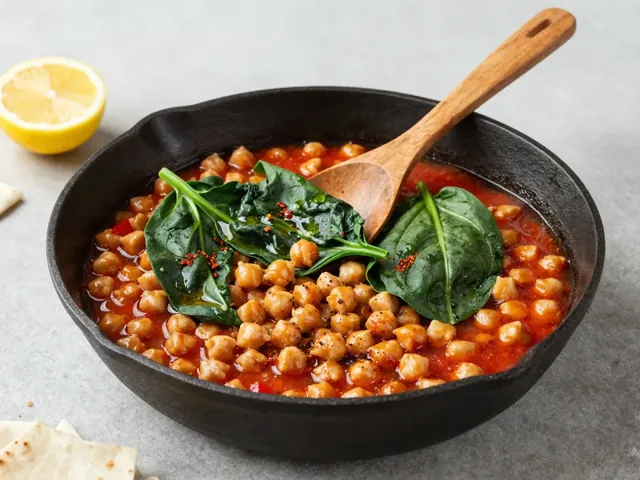
- Pantry Chickpea and Tomato Skillet — canned chickpeas and tomatoes with cumin and paprika.
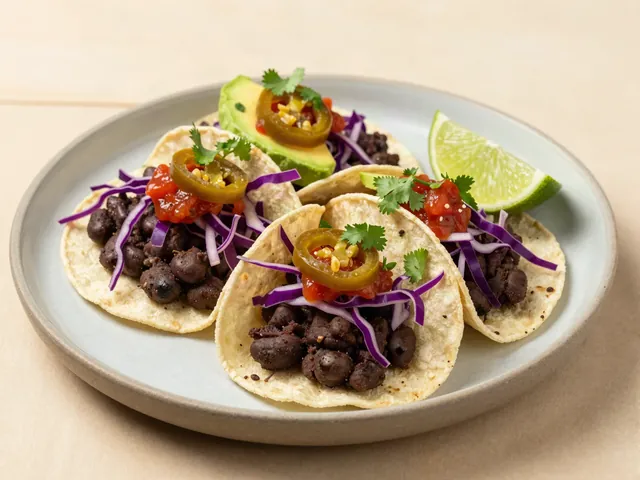
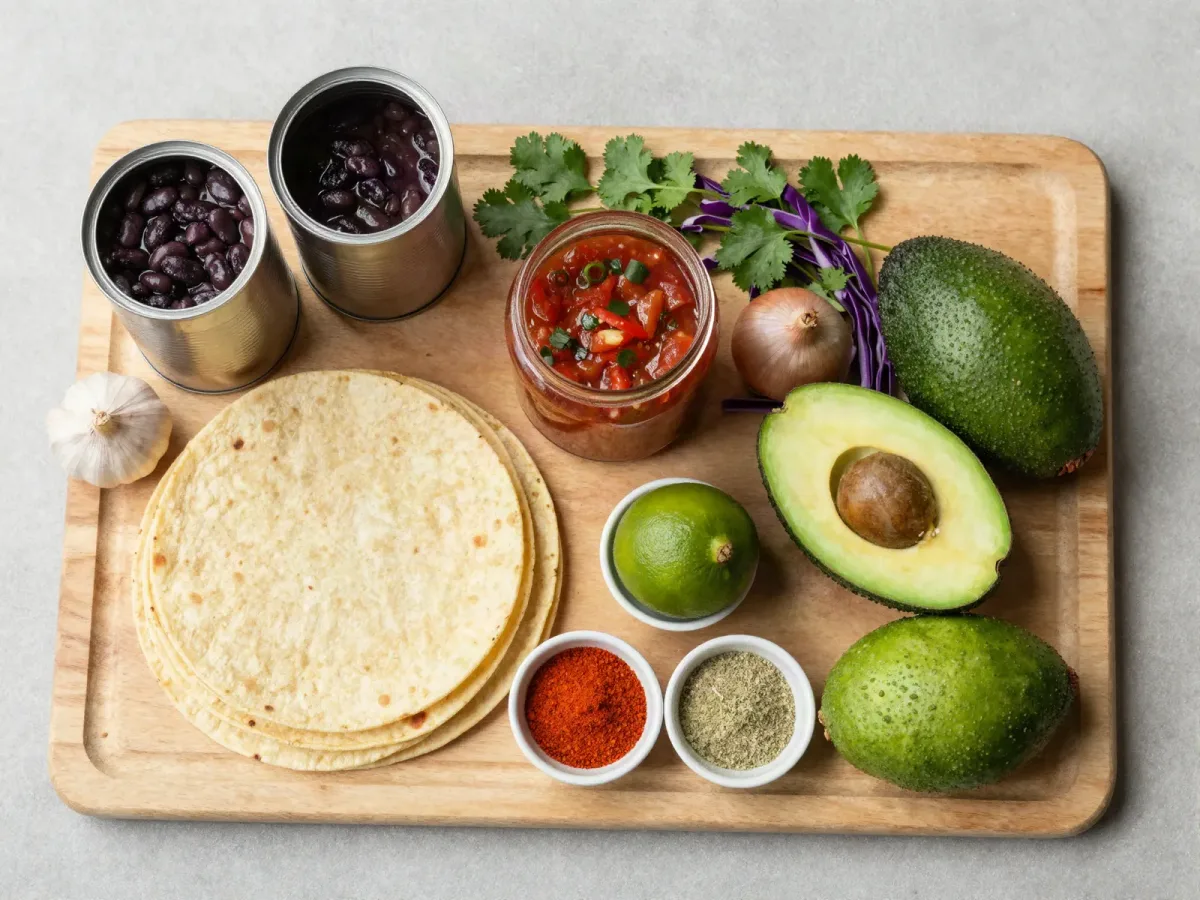
- Pantry Black Bean Tacos — canned black beans, spices and corn tortillas.
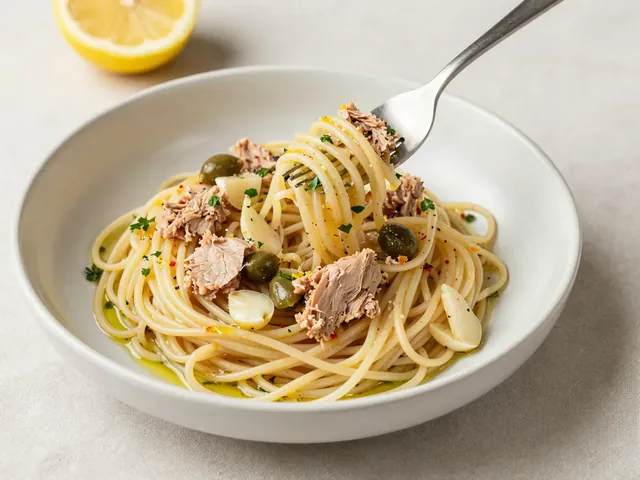
- Pantry Tuna Pasta with Garlic and Lemon — dried pasta, olive-oil tuna and capers.
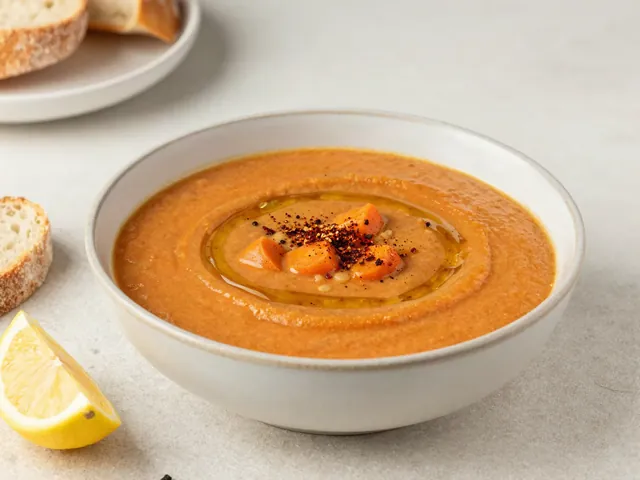
- Red Lentil Soup with Cumin and Lemon — dried red lentils that cook soft in about 20 minutes.
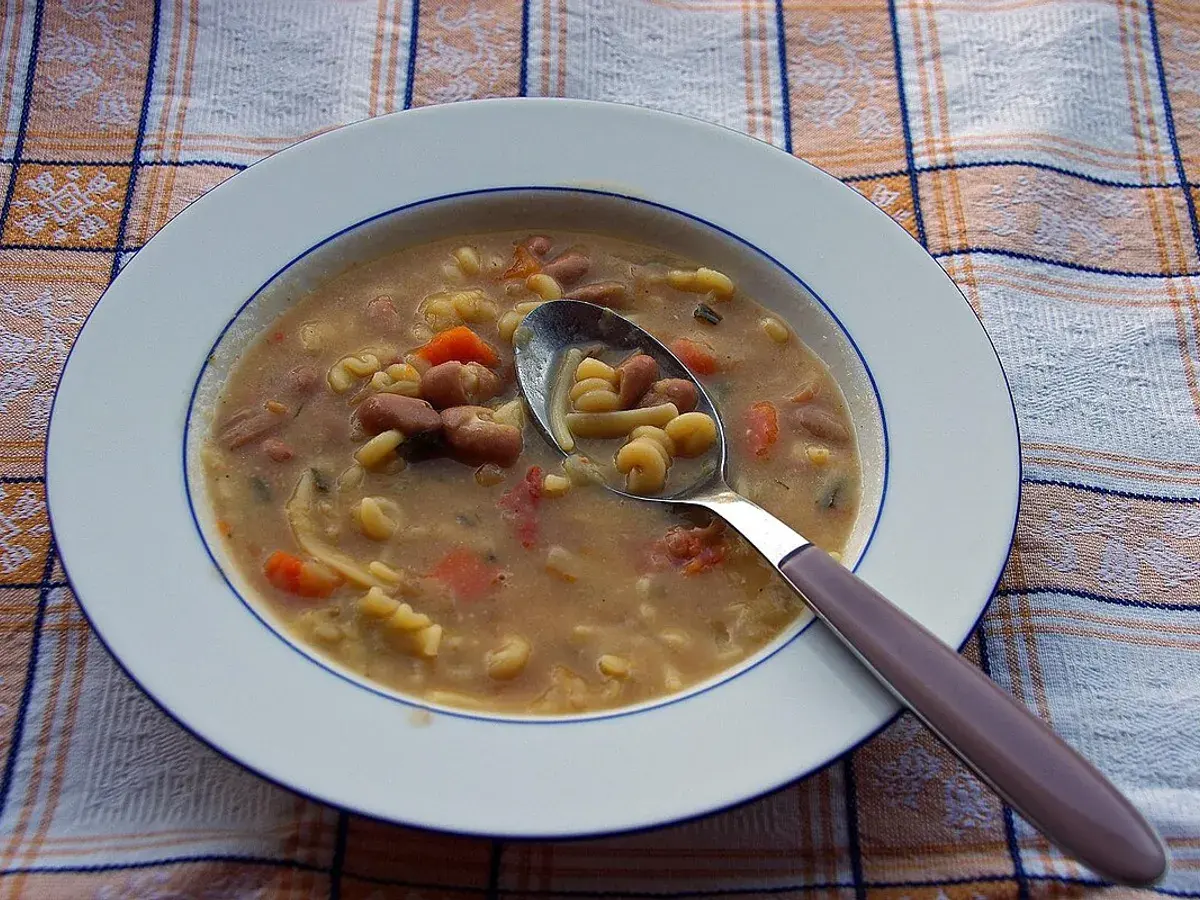
- Pantry Pasta e Fagioli — Italian pasta-and-bean soup from cans, broth and small pasta.
The pantry list
Cans and jars
- Beans: chickpeas, black beans, kidney beans. Drain and rinse them to reduce the canning liquid's salt.
- Tomatoes: diced, crushed, and a tube or can of tomato paste.
- Fish: tuna or salmon packed in olive oil.
- Broth: vegetable or chicken, in cartons or as concentrate.
- Salsa, capers, pickled jalapeños: fast flavor with no prep.
Dry goods
- Pasta: one long shape (spaghetti or linguine) and one short (penne or fusilli).
- Grains: long-grain white rice, quinoa, rolled oats.
- Legumes: red lentils cook fastest and need no soaking.
- Tortillas: corn tortillas keep for weeks in the refrigerator and freeze well.
Spices that do the most work
Ground cumin, smoked paprika, chili powder, dried oregano, red pepper flakes, garlic powder and black pepper. With these seven you can season every recipe on this page. Kosher salt is the default in our recipes; if you use table salt, use a little less. For cup, spoon and gram equivalents, see our kitchen measurement conversions.
Fresh things that keep
Onions, garlic, lemons and limes last for weeks. Frozen spinach, corn and peas fill the vegetable gap when the crisper drawer is empty.
How to turn the list into dinner
Most pantry dinners follow the same pattern:
- Soften an aromatic — onion, garlic — in oil.
- Bloom the spices in the hot oil for 30 seconds, until fragrant.
- Add the base — tomatoes, broth, beans or lentils — and simmer.
- Finish with acid — a squeeze of lemon or lime, or a splash of vinegar — right before serving. It is the step that makes canned ingredients taste bright.
The chickpea skillet and lentil soup follow this pattern exactly; the black bean tacos use it to season the beans before they go into tortillas.
Build a pantry dinner: the formula
The four-step pattern tells you how to cook. This formula tells you what to put in the pot. Pick one item from each line and you have a complete meal:
- A starch: pasta, rice, quinoa, tortillas, or crusty bread on the side.
- A protein: canned beans or chickpeas, red lentils, tuna or salmon, or eggs if you have them.
- A sauce base: canned tomatoes, broth, salsa, or simply olive oil and garlic.
- A vegetable: onion and garlic to start, plus frozen spinach, peas or corn stirred in near the end.
- A flavor booster: one or two spices from the list, tomato paste, capers or pickled jalapeños.
- A finish: lemon or lime juice, vinegar, a drizzle of good olive oil, or grated cheese.
Here is how the five recipes on this page map onto the formula:
| Recipe | Starch | Protein | Sauce base | Booster and finish |
|---|---|---|---|---|
| Chickpea and tomato skillet | Bread or rice on the side | Chickpeas | Diced tomatoes | Cumin, smoked paprika, lemon |
| Black bean tacos | Corn tortillas | Black beans | Salsa | Chili powder, cumin, lime |
| Tuna pasta | Spaghetti or linguine | Olive-oil tuna | Olive oil and garlic | Capers, red pepper flakes, lemon |
| Red lentil soup | Bread on the side | Red lentils | Broth and tomato paste | Cumin, paprika, lemon |
| Pasta e fagioli | Small pasta | Cannellini beans | Broth and tomatoes | Oregano, Parmesan |
Once you see the pattern, new combinations are easy to work out. A few that use only the pantry list above:
- Chickpea and spinach rice bowl: rice, chickpeas warmed with garlic, cumin and frozen spinach, finished with lemon.
- Tomato and white bean pasta: short pasta tossed with crushed tomatoes simmered with garlic, oregano and red pepper flakes, with drained beans stirred in.
- Black bean and corn quinoa: quinoa with black beans, frozen corn, salsa and chili powder, finished with lime. It also packs well for lunch.
- Salmon rice bowl: canned salmon flaked over rice with a quick dressing of olive oil, lemon and capers, plus thawed peas.
More detail
Smart swaps
Pantry cooking is about using what you have. These substitutions keep a recipe on track when one item is missing:
- Beans: chickpeas, black beans, kidney beans and white beans are mostly interchangeable in soups, skillets and pasta. The texture and color change, but the method does not.
- Pasta shapes: any short shape can replace another in soups and baked dishes. In pasta e fagioli, broken spaghetti works if you have no small pasta.
- Tomatoes: diced and crushed tomatoes can stand in for each other; crushed gives a smoother sauce. A spoonful of tomato paste thinned with broth or water can rescue a recipe when you are out of cans.
- Acid: lemon, lime and most vinegars all brighten a finished dish. Use a little less vinegar than citrus juice, taste, and add more if needed.
- Broth: water plus a little extra salt and an extra spoonful of tomato paste or spice can replace broth in a pinch, though the result will be lighter.
- Tuna and salmon: canned salmon works in the tuna pasta, and either fish works in a grain bowl.
Organize your pantry shelves
A pantry is only useful if you can see what is in it. A few organizing habits make the difference between cooking from your shelves and buying a third can of chickpeas you did not know you had.
- Store by category. Keep cans together, grains and pasta together, and spices together. Group the items you use for the same kind of meal near each other, so taco night means reaching for one spot.
- Keep everyday items at eye level. The staples you use weekly belong on the most visible shelf. Backup stock and occasional ingredients can go higher or lower.
- Choose a cool, dry, dark spot. Heat, light and moisture shorten the shelf life of spices, oils and grains. A cabinet next to the stove or above the dishwasher is a poor choice for spices, even though it is convenient.
- Use clear, airtight containers for opened dry goods such as rice, oats, lentils and pasta. They keep out moisture and pests and let you see at a glance when you are running low. Cut the cooking directions from the package and tape them to the container, or write them on a label, along with the date you filled it.
- Line cans up in rows, labels facing out, rather than stacking them in a deep pile. Shallow rows mean nothing gets lost at the back.
Rotate stock: first in, first out
Professional kitchens use a simple rule called first in, first out (FIFO): use the oldest item first. At home it works like this:
- When you bring groceries home, check the dates printed on the packages.
- Move the older items on the shelf to the front (or the left, if you prefer).
- Put the new items behind them.
- Always take from the front.
This prevents the familiar problem of finding a long-forgotten can at the back of the shelf. A quick look through the pantry every month or so, before you write your shopping list, catches anything that needs to be used soon. Plan a dinner around those items that week.
Inspect cans before you open them. Do not use cans that are bulging, leaking or badly damaged, or any food that spurts or smells off when opened. If you open a can and use only part of it, move the rest to a covered container in the refrigerator rather than storing it in the open can.
Keep a running restock list
The simplest way to keep the pantry stocked is a list on the refrigerator or in your phone. When you open the last can of something, or a jar drops to its final quarter, write it down right away. Some cooks keep one backup of each core staple, such as tomatoes, beans, broth and pasta, so opening the last one is the signal to buy more. You will never run out mid-recipe, and you will not overbuy.
Scaling pantry dinners for one, two or a crowd
Most of our pantry recipes serve 4, but canned ingredients make them easy to resize.
- Cooking for one or two: halve the recipe, using one can of beans or tomatoes instead of two. When a recipe calls for a single can and you want half, use the rest the next day in a different dish: leftover chickpeas go into a rice bowl, extra tomatoes into a quick pasta sauce. Soups such as the red lentil soup are worth making in a full batch anyway, because they freeze well in single portions.
- Cooking for a crowd: soups and skillets double easily as long as your pot is large enough. Use a wider pan rather than a deeper one for skillets, so the sauce can reduce. Spices do not always need to double exactly; add the original amount plus half, taste, and adjust at the end.
- Pasta dishes: pasta needs plenty of boiling water to cook evenly, so for a double batch use your biggest pot or cook in two batches. Toss the tuna pasta in two skillets rather than overfilling one.
When you scale a soup, the simmering time stays about the same, but a larger pot takes longer to come to a boil. Taste for salt and acid at the end, since doubling the canned ingredients also doubles the salt they bring.
Troubleshooting
The dish tastes flat. It probably needs salt or acid. Add salt in small pinches and a squeeze of lemon or a splash of vinegar, tasting after each addition. Canned ingredients especially benefit from a bright finish.
It is too salty. Canned beans, broth, capers and olives all add salt. Next time, rinse the beans, use low-sodium broth and taste before seasoning. To rescue tonight's pot, add more of the unsalted base, such as extra tomatoes, a little water or another can of rinsed beans, and finish with acid.
The soup is too thick. Pasta and lentils keep absorbing liquid as they sit, especially overnight. Thin the soup with broth or water as you reheat it and adjust the salt.
The lentils will not soften. Very old dried lentils can take much longer to cook. Keep simmering and add liquid as needed, and use the FIFO system so lentils do not sit too long.
The spices taste dusty or weak. Ground spices lose flavor over time. Bloom them in hot oil, as in step 2 above, to get the most out of them, and replace jars that have lost their aroma.
The pasta in the soup turned mushy. If you plan to have leftovers, cook the pasta separately and add it to each bowl, so it does not soak up the broth in the refrigerator.
Storing leftovers
Refrigerate cooked leftovers within 2 hours, in shallow containers so they cool quickly. The USDA advises using them within 3 to 4 days, or freezing them, and reheating to 165°F. Soups like the red lentil soup should be brought to a rolling boil when reheated. See our fridge and freezer storage guide for more.
Bean and lentil soups and chickpea dishes are good candidates for freezing. Freeze them in portion-sized containers, label them with the name and date, and use them within 3 to 4 months for the best quality. Thaw them in the refrigerator, in cold water in a leak-proof bag, or in the microwave, and if you thaw in the microwave, reheat right away.
Quick answers
Do I need to rinse canned beans?
It is a good habit. Rinsing removes much of the thick canning liquid, which is salty and can make a dish taste muddy. The exception is when a recipe uses the liquid on purpose to thicken a soup; in that case, reduce the added salt.
What is the difference between red lentils and green or brown lentils?
Red lentils are split and hulled, so they cook quickly and break down into a soft, thick texture, which is why they suit soups. Green and brown lentils hold their shape better and take longer to cook. They are not direct swaps in the red lentil soup.
Can I use dried beans instead of canned?
Yes, if you cook them first. Cook a batch, cool it quickly, and refrigerate or freeze it in portions so you have ready-to-use beans for the week. Cooked beans follow the same leftover rules as other cooked food.
How do I make pantry dinners less salty?
Rinse canned beans, choose low-sodium broth and tomatoes when you can, and add salt only at the end after tasting. Acid and spices add plenty of flavor without extra salt.
What should I buy first if I am starting a pantry from scratch?
Start with the items that appear in the most recipes: canned tomatoes, two kinds of beans, one long and one short pasta, rice, broth, olive oil, and a few spices such as cumin, smoked paprika and oregano. Add the rest as you cook.
Are frozen vegetables part of a pantry?
For practical purposes, yes. Frozen spinach, peas and corn fill the gap when you have no fresh produce, and they need no prep. Stir them into soups and skillets near the end of cooking.
How can I make a pantry dinner more filling?
Add a second source of protein or fiber: a can of beans to pasta, lentils to a tomato sauce, or a fried egg on top of a grain bowl. Serving crusty bread or rice on the side also helps.
Sources
- USDA FSIS — Leftovers and Food Safety (last updated Jul 31, 2020) (checked 2026-11-08)
Drafted with AI assistance and checked against the sources above by a human editor before publication. See our editorial policy.