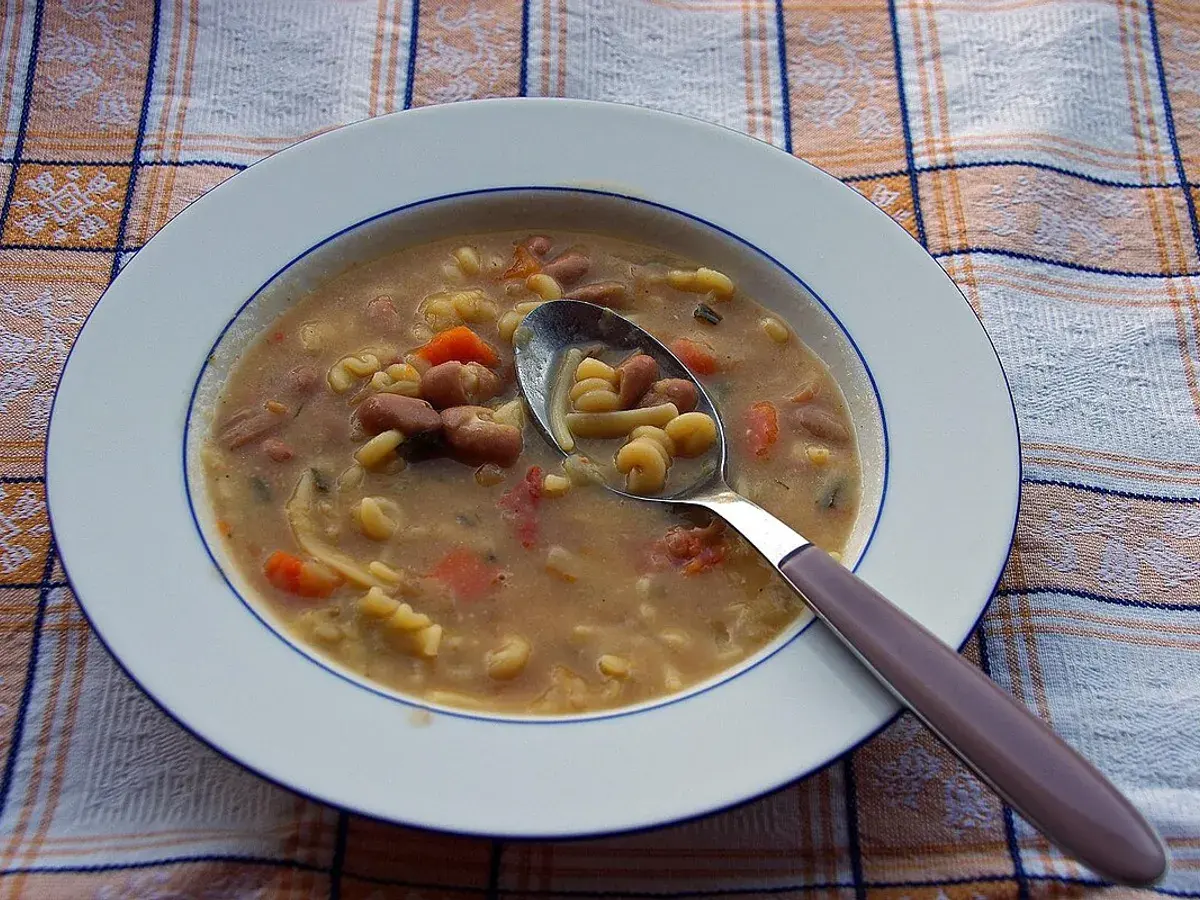
Pantry Pasta e Fagioli
No ratings yetPasta e fagioli, the Italian pasta-and-bean soup, from canned cannellini beans, canned tomatoes, broth and small pasta. About 35 minutes, mostly hands-off. Serves 6, ready in 40 minutes, about 290 calories per serving.
- Total
- 40min
- Serves
- 6
- Per serving
- 290cal
- Steps
- 5
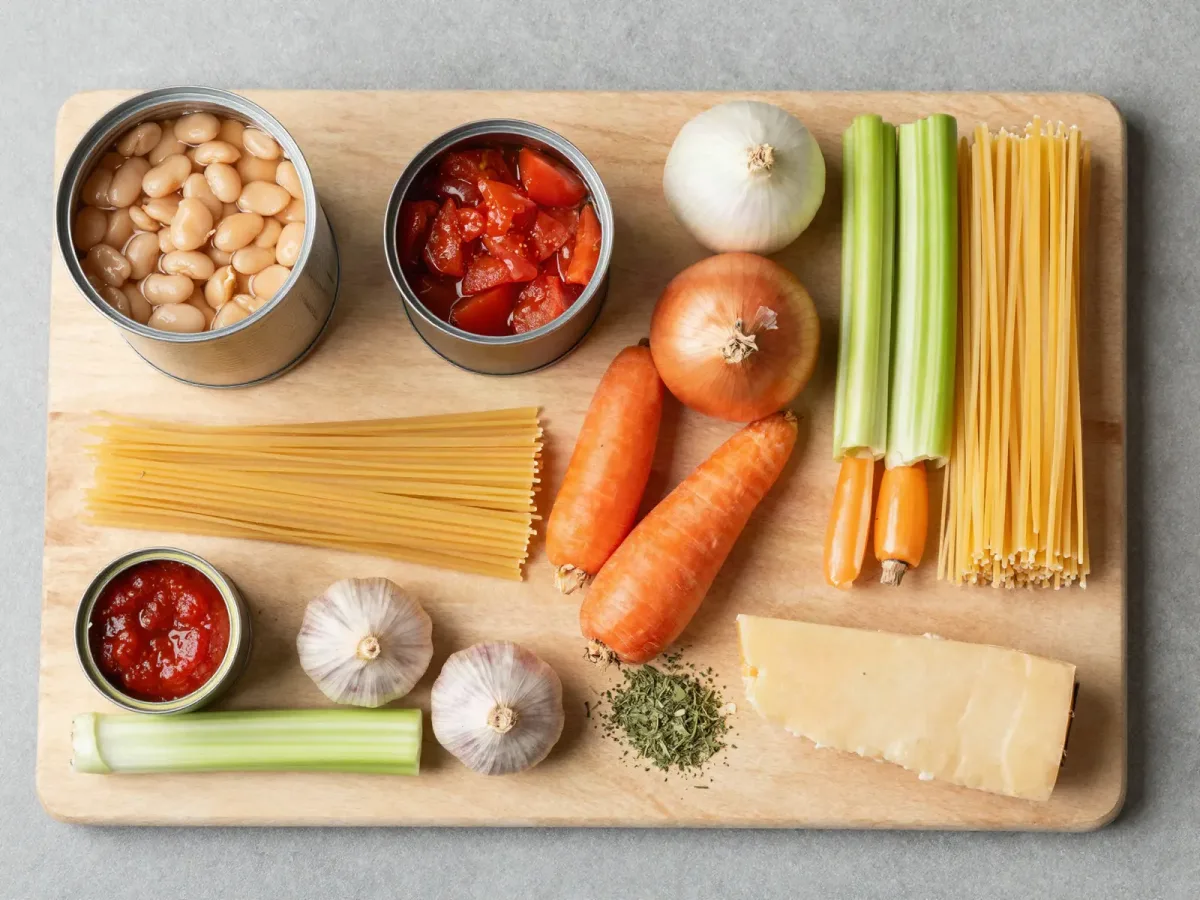
Why this works
Mashing part of the beans thickens the broth without cream or flour, and cooking the pasta right in the soup releases starch that gives it body. Everything except the onion, carrot and celery comes from the pantry.
Pantry Pasta e Fagioli
Pasta e fagioli, the Italian pasta-and-bean soup, from canned cannellini beans, canned tomatoes, broth and small pasta. About 35 minutes, mostly hands-off.
- Prep
- 10 min
- Cook
- 30 min
- Total
- 40 min
- Serves
- 6
Ingredients
Scaling changes amounts only; pan size and cooking times may need adjusting. Metric amounts are rounded conversions.
Contains: wheat, milk
Instructions
- Heat the oil in a large pot or Dutch oven over medium heat. Add the onion, carrots and celery and cook, stirring now and then, until softened, 7 to 8 minutes.
What to look for
Heat the 2 tablespoons of olive oil in a large pot or Dutch oven over medium heat. Add the finely chopped onion, carrots and celery, if using, and stir to coat them in the oil. Cook for 7 to 8 minutes, stirring every couple of minutes. The vegetables are ready when the onion is translucent, the carrots have softened enough to bend rather than snap, and the mixture smells sweet rather than raw.
This trio, often called soffritto in Italian cooking, is the flavor foundation for a soup made mostly from pantry staples, so do not rush it. You want gentle sizzling, not browning; a little color on the edges is fine. If the vegetables start to stick or brown quickly, lower the heat and add a splash of water.
- Add the garlic, oregano and red pepper flakes and stir for 30 seconds. Stir in the tomato paste and cook for 1 minute, until it darkens slightly.
What to look for
Add the minced garlic, 1 teaspoon oregano and the red pepper flakes, if using, and stir for 30 seconds, until the garlic smells fragrant. Then stir in the 2 tablespoons tomato paste, spreading it across the bottom of the pot and working it into the vegetables. Cook it for 1 minute, stirring constantly.
You will see the paste turn from bright red to a deeper, rusty brick color, and it may start to stick lightly to the pot; both are signs it is ready. Cooking tomato paste in fat concentrates its flavor and removes its raw, tinny taste, which gives the broth more depth. The browned bits on the bottom of the pot will dissolve once the liquid goes in. If the paste begins to look black or smells burnt, add the tomatoes immediately to stop the cooking.
- Add the diced tomatoes, beans and broth. Scoop out about 1 cup of the beans with some liquid, mash them with a fork and return them to the pot; this thickens the soup. Bring to a boil.
What to look for
Add the can of diced tomatoes with their juices, both cans of drained, rinsed cannellini beans and the 6 cups of broth. Stir, scraping the bottom of the pot to release the tomato paste. Scoop out about 1 cup of the beans with a little of the liquid, mash them in a bowl with a fork until mostly smooth, and stir the mash back into the pot.
This is what thickens the soup without cream or flour. At this stage the soup will still look thin and brothy; it thickens more once the pasta adds its starch. Bring the pot to a boil over medium-high heat; covering it speeds this up. Make sure it is truly boiling before the pasta goes in, or the pasta will soak up liquid and turn soft before it cooks through.
- Stir in the pasta, salt and pepper. Simmer, stirring often so the pasta does not stick, until the pasta is tender, 9 to 11 minutes depending on the shape.
What to look for
Stir in the 1 cup ditalini or other small pasta, 1 teaspoon salt and 1/2 teaspoon pepper. Lower the heat to keep a steady simmer and cook for 9 to 11 minutes, depending on the shape, stirring often. Scrape across the bottom each time, since small pasta sinks and sticks. Start tasting a piece at the low end of the range: it should be tender with just a slight bite in the center.
The pasta keeps cooking and absorbing liquid after the heat goes off, so stop on the firmer side. As it cooks, the broth turns cloudier and noticeably thicker from the released starch. If the soup becomes too thick before the pasta is done, add a cup of broth or water and return it to a simmer.
- Taste and adjust the salt. The soup thickens as it stands; loosen it with a splash of broth or water if you like. Serve with a drizzle of olive oil and Parmesan.
What to look for
Taste the broth and add more salt if needed; how much depends on the saltiness of your broth. A soup that tastes flat usually needs salt rather than more herbs. Look at the consistency next: pasta e fagioli can range from brothy to almost stew-like, and both are traditional. If it is thicker than you want, stir in broth or water a splash at a time.
Ladle it into bowls as soon as the pasta is cooked, since it thickens quickly as it stands. Finish each bowl with a drizzle of olive oil, which adds a fresh, peppery richness, and a spoonful of the grated Parmesan, if using. If you are planning leftovers, see the FAQ about cooking the pasta separately, which keeps the soup from turning into a thick stew in the refrigerator.
Supper HQ · https://supperhq.com/recipes/pantry-pasta-e-fagioli/
Good to know
Swaps & substitutions
| Ingredient | Why it's there | Substitute | What changes |
|---|---|---|---|
| Cannellini beans | Creamy beans that thicken the broth when mashed | Great Northern, navy, borlotti or pinto beans | Great Northern and navy are smaller and slightly firmer; borlotti and pinto give an earthier flavor and pinkish-brown broth |
| Ditalini | Small pasta that fits on a spoon | Small shells, elbows, orzo or broken spaghetti | Orzo cooks faster and thickens more; larger shapes need extra minutes |
| Vegetable or chicken broth | Most of the liquid and much of the flavor | Water plus 1 Parmesan rind, or bouillon dissolved in water | A Parmesan rind adds savory depth (and milk); bouillon is often saltier, so add salt only after tasting |
| Tomato paste | Concentrated depth and color | 1/2 cup tomato sauce or crushed tomatoes | Less concentrated flavor and a lighter color; skip the 1-minute browning and add it with the liquids |
| Carrots and celery | Sweetness and aroma in the base | 1 1/2 cups frozen mixed diced vegetables | Softer texture and less distinct flavor; cook a minute or two less |
| Dried oregano | Herbal note | 1 tsp dried Italian seasoning, or 1/2 tsp dried rosemary, crumbled | Italian seasoning adds basil and thyme; rosemary is more piney and traditional in some versions |
| Parmesan | Salty, savory finish | Pecorino Romano, or nutritional yeast for a dairy-free option | Pecorino is sharper and saltier; nutritional yeast gives a mild savory note without milk |
Tips & common mistakes
- Chop the vegetables small and evenly so they soften in the same time.
- Cook the tomato paste for a full minute, until it darkens, before adding the liquid.
- Mash about 1 cup of the beans for body; the soup will look thin until the pasta cooks.
- Bring the soup to a boil before adding the pasta, then stir often so it does not stick to the bottom.
- Serve right away, since it keeps absorbing liquid. Keep extra broth or water nearby to loosen the soup.
Common mistakes
- Cooking the pasta until soft in the pot. The pasta keeps absorbing broth after the heat goes off. Stop when it is just tender, at the low end of the time range.
- Scorching the tomato paste. Over high heat, the paste blackens and turns bitter in seconds. Keep the heat at medium and stir it constantly for its minute in the pot.
- Salting before the pasta cooks. Broth brands vary widely in sodium, and the soup reduces as it simmers. Add the salt, taste once the pasta is done, and adjust only then.
- Stirring the Parmesan into the pot. Cheese added to the simmering soup clumps and sticks to the bottom. Grate it over each bowl at the table.
Storage & make-ahead
Refrigerate leftovers within 2 hours of cooking in shallow containers and use them within 3 to 4 days. Bring the soup to a rolling boil when you reheat it, as the USDA advises for soups. For freezing, freeze the soup without the pasta and cook fresh pasta when you reheat it.
- Prep ahead: chop the soup vegetables earlier in the day and refrigerate them covered.
- Make the base ahead: cook the soup through the step where the mashed beans go back in, then cool and refrigerate it. When serving, bring it back to a boil, add extra broth since the beans thicken it, and cook the pasta in it.
- Freezing the base: freeze the pasta-free soup in airtight containers, leaving headspace for the liquid to expand, and label them with the date. For best quality, use it within 3 to 4 months. Soup that already contains pasta can be frozen, but the pasta turns mushier.
- Thawing: thaw in the refrigerator, in cold water or in the microwave, then cook the pasta in the reheated soup or separately. Add Parmesan only when serving.
Nutrition per serving
- Calories
- 290
- Protein
- 13 g
- Carbs
- 43 g
- Fiber
- 7 g
- Sugar
- 6 g
- Fat
- 8 g
- Sat. fat
- 2 g
- Sodium
- 1570 mg
How we calculated this
Approximate values for 1 of 6 servings, calculated from the ingredient list using USDA FoodData Central data (computed 2026-11-08). Raw ingredient weights are used, so fat lost in cooking is not subtracted, and brands vary, especially for sodium in broth, beans and salsa. Not a substitute for professional dietary advice.
Quick answers
Why does the soup get so thick the next day?
The pasta keeps absorbing liquid as it sits. Add broth or water when you reheat it, or cook the pasta separately and add it to each bowl if you plan to have leftovers.
Can I make it vegetarian or vegan?
Use vegetable broth for a vegetarian soup. Leave out the Parmesan, or use a plant-based alternative, to make it vegan.
Which beans can I use instead of cannellini?
Any white bean works, such as Great Northern or navy beans. Borlotti or pinto beans are also traditional in some versions.
Can I use dried beans instead of canned?
Yes. Two 15-ounce cans hold about 3 cups of drained beans, so use about 3 cups of fully cooked dried beans. If you cooked them yourself, a cup or so of their cooking liquid can replace some of the broth and adds body. Home-cooked beans are often less salty, so season more generously at the end.
More from Pantry Meals
Read the guide
Ratings and reviews
Loading ratings…
Sources
- USDA FSIS — Leftovers and Food Safety (last updated Jul 31, 2020) (checked 2026-11-08)
Drafted with AI assistance and checked against the sources above by a human editor before publication. See our editorial policy and corrections.
Kitchen reference: How Long Does Cooked Chicken Last in the Fridge? · Cups to Grams and Other Kitchen Measurement Conversions · Safe Internal Temp for Chicken, Pork, Beef, Eggs and Fish
More dinners to try
All recipes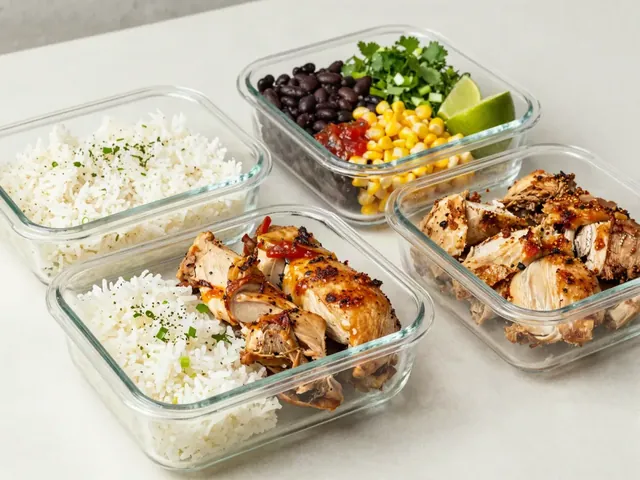
Meal-Prep Chicken Burrito Bowls
Chicken burrito bowls for meal prep: spiced roasted thighs, lime rice, black beans, corn and salsa in four containers for lunches. Chicken cooked to 165°F.
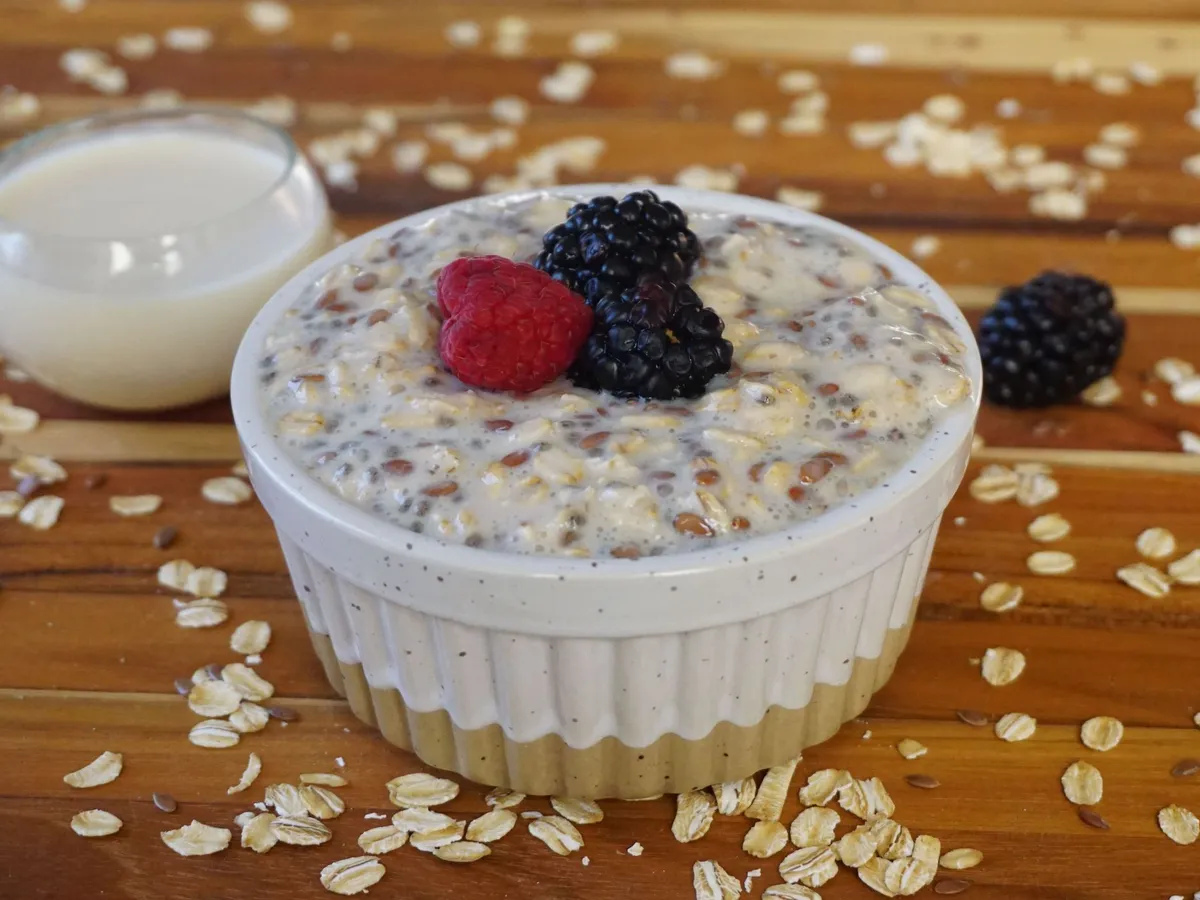
Make-Ahead Overnight Oats
Overnight oats with rolled oats, milk, Greek yogurt, chia and maple syrup. Mix four jars in 10 minutes for grab-and-go breakfasts, no cooking needed.
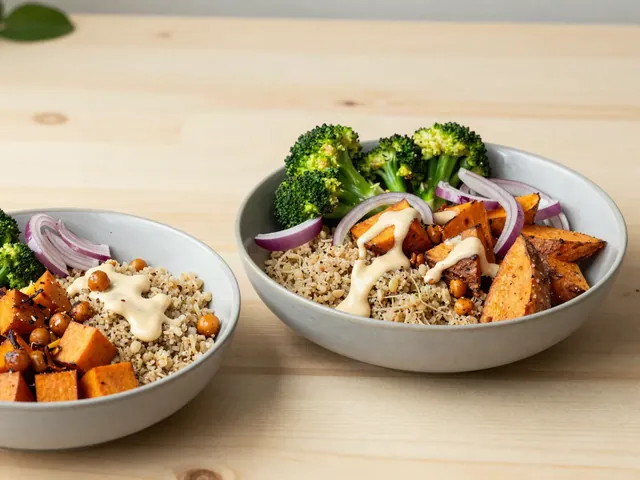
Roasted Vegetable Grain Bowls with Lemon-Tahini Dressing
Roasted vegetable grain bowls: sweet potato, broccoli and chickpeas over quinoa with a lemon-tahini dressing. Four vegetarian meal-prep bowls, one pan.
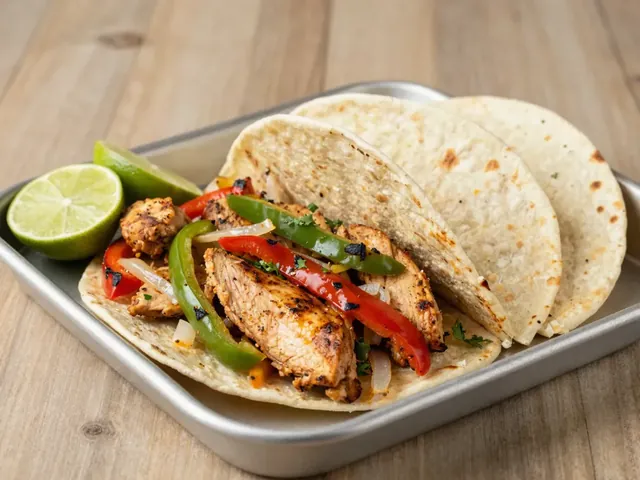
Sheet-Pan Chicken Fajitas
Sheet pan chicken fajitas: chicken strips, peppers and onion roasted on one hot pan with a homemade spice blend, cooked to 165°F. Wrap in warm tortillas.