Meal prep means cooking several meals at once so weekday eating takes minutes instead of an hour. The trick is not cooking more — it is cooking things that hold up well in the refrigerator, and planning around how long cooked food stays safe.
The four recipes
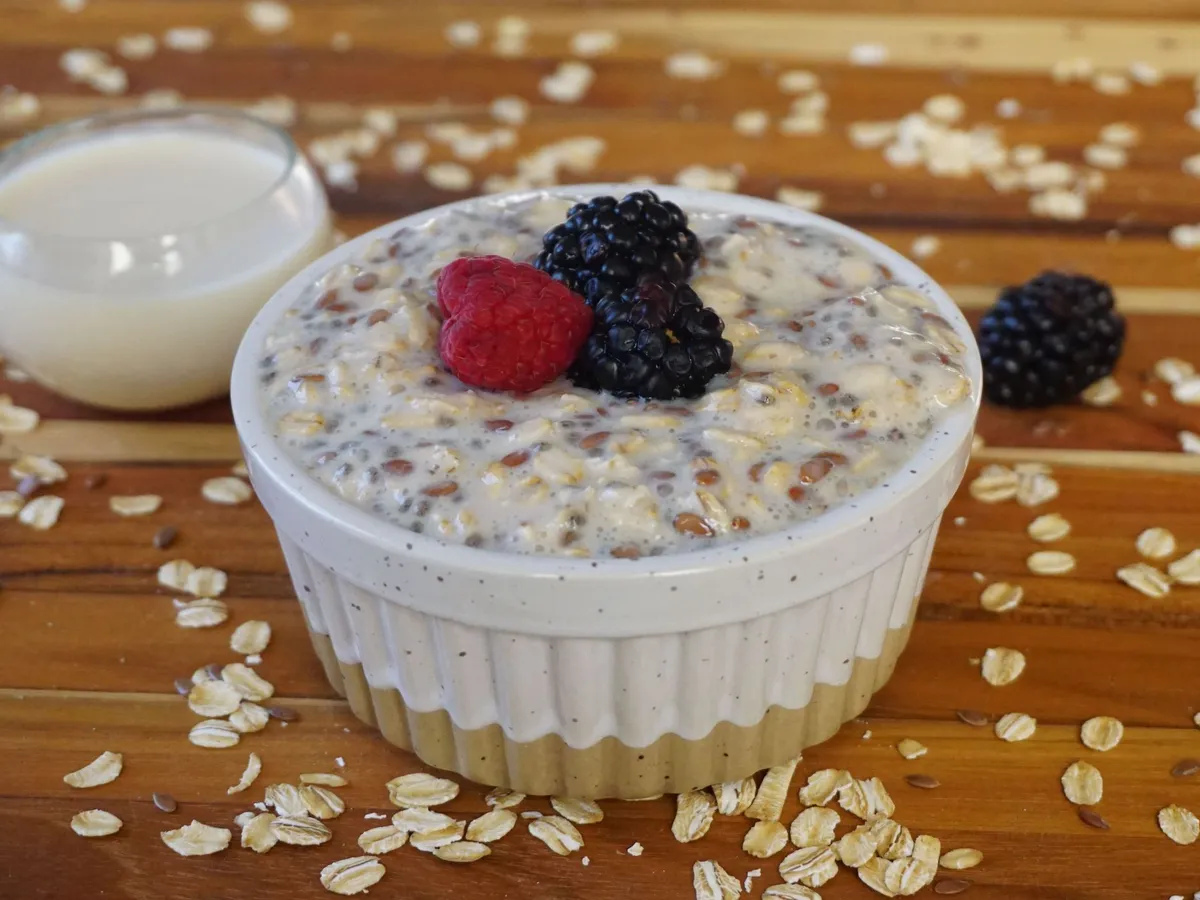
- Make-Ahead Overnight Oats — breakfast, no cooking.
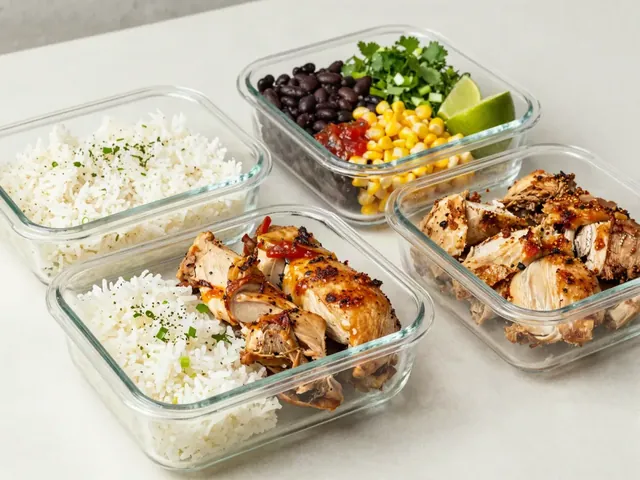
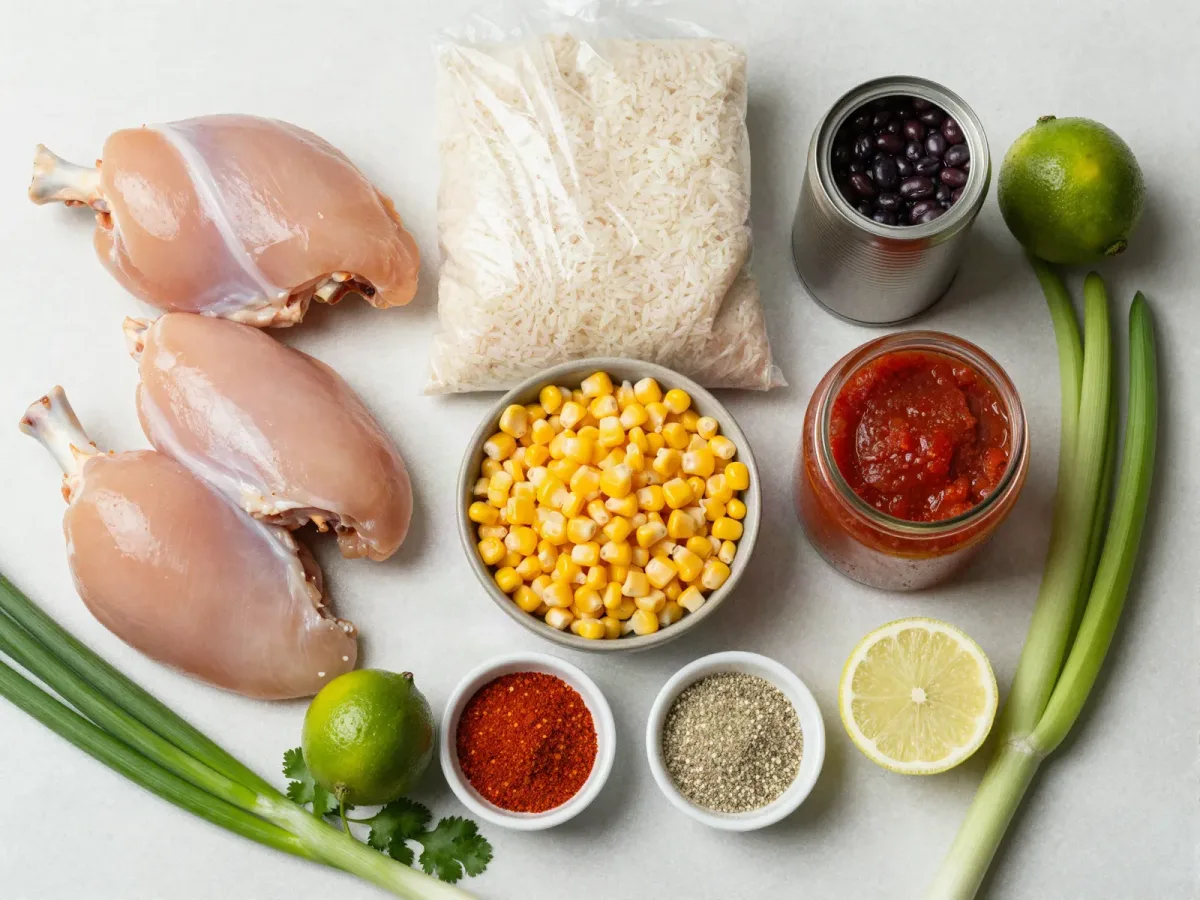
- Meal-Prep Chicken Burrito Bowls — lunch: rice, chicken, beans and corn.
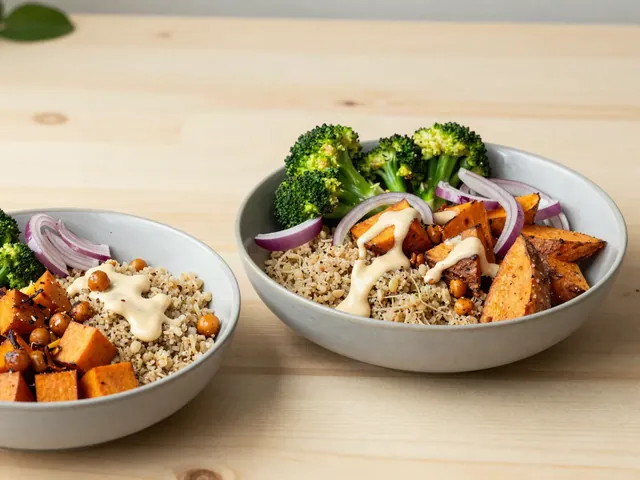
- Roasted Vegetable Grain Bowls with Lemon-Tahini Dressing — a vegetarian lunch or dinner.
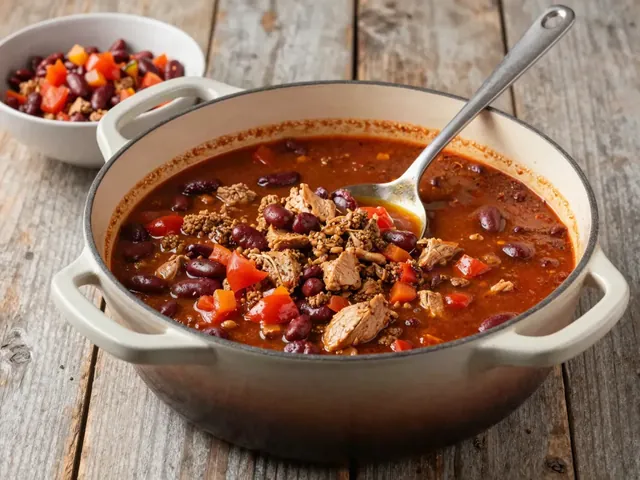
- Big-Batch Turkey Chili — dinner, and it freezes well.
The plan: about 2 hours on Sunday
The order matters: start whatever takes longest, and use oven time to do the stovetop work.
- Heat the oven and start the chili on the stove — it simmers mostly on its own.
- Roast the vegetables and chickpeas for the grain bowls while the chili simmers.
- Cook the rice and quinoa on two back burners.
- Cook the burrito-bowl chicken once a burner frees up.
- Stir together the overnight oats in jars while things cook — it takes 5 minutes.
- Make the tahini dressing and store it separately so the bowls stay crisp.
- Cool and pack everything (see below).
Check doneness while you cook
Cooking several dishes at once makes it easy to lose track, so use a food thermometer rather than guessing by color or time.
- Burrito-bowl chicken: chicken thighs, like all poultry, are done at 165°F. Check the thickest piece.
- Turkey chili: ground turkey is poultry, so it needs to reach 165°F, not the 160°F used for ground beef or pork. Check the meat after browning, before you add the tomatoes and beans; the chili then simmers well beyond that point.
- Roasted vegetables and chickpeas need no thermometer; they are done when tender and browned at the edges.
Keep raw meat away from foods that will not be cooked further. Handle the chicken and turkey on their own cutting board, and wash your hands, knives and boards in hot, soapy water before moving on to the oats, dressing or toppings. Our safe internal temperatures chart lists the minimums for other foods.
Cool it fast, then refrigerate
The USDA's rule is to refrigerate cooked food within 2 hours of cooking. A big pot of chili cools slowly, so divide it into shallow containers to help it reach 40°F quickly. Hot food can go straight into the refrigerator; you do not need to wait for it to reach room temperature.
How long it keeps
Cooked leftovers keep 3 to 4 days in the refrigerator at 40°F or below. That shapes the week:
| Day | Breakfast | Lunch | Dinner |
|---|---|---|---|
| Monday | Overnight oats | Burrito bowl | Turkey chili |
| Tuesday | Overnight oats | Grain bowl | Burrito bowl |
| Wednesday | Overnight oats | Burrito bowl | Grain bowl |
| Thursday | Overnight oats | Grain bowl | Turkey chili (from the freezer) |
| Friday | Fresh | Fresh or freezer portion | Fresh |
Anything you will not eat by Wednesday or Thursday should go into the freezer on Sunday, not on the last safe day. Chili is the best candidate: freeze half in individual portions. Frozen food stays safe indefinitely; the USDA notes that frozen leftovers are best within 3 to 4 months for quality.
Reheat to 165°F
Reheat leftovers until they reach 165°F on a food thermometer. Bring soups and chili to a rolling boil. In the microwave, cover the container, stir partway through and check the temperature in more than one spot, because microwaves heat unevenly.
More detail
Containers that make it easier
- Glass containers with locking lids reheat well and do not hold onto smells.
- Shallow is better than deep for fast cooling.
- Label each container with what it is and the date it was cooked.
For storage times of other foods, see our fridge and freezer storage guide.
Choosing containers in more detail
The right containers make the whole week run more smoothly. A few points to consider before you buy a set:
- Glass or plastic. Glass does not stain from chili or tomato sauce and can usually go from refrigerator to microwave. It is heavier to carry to work. Plastic is light and inexpensive; choose containers labeled microwave-safe, and move food to a plate or bowl to reheat if you are unsure.
- Sizes that match your meals. A set of single-portion containers for lunches, a few larger ones for family-style dinners, and small jars or cups for dressings and toppings covers almost everything in this plan.
- Divided containers keep wet and dry components apart, which helps grain bowls stay fresh. They are optional; a small separate cup for sauce does the same job.
- Freezer-safe options. For chili and soups, use containers or heavy freezer bags marked as freezer-safe. Leave some headspace at the top, because liquids expand as they freeze. Freezer bags frozen flat on a tray stack neatly once solid and thaw faster than a thick block.
- Lids for reheating. Loosen the lid or leave a corner vented when you microwave, so steam can escape. A cover still matters: it holds moisture in and helps the food heat more evenly.
- Jars for oats. Wide-mouth jars with lids are ideal for overnight oats: easy to fill, easy to eat from, and they stack in the refrigerator door.
A labeling system you will actually use
Labels only help if they are quick to write. Keep a roll of masking tape and a marker in a kitchen drawer and write three things on every container:
- What it is, such as "Turkey chili" or "Burrito bowl, no salsa."
- The date it was cooked. For refrigerated food, some cooks also write the last day to eat it, counting 3 to 4 days from the cooking date, so there is no math to do on Thursday morning.
- The date it was frozen, for anything that goes into the freezer. That date tells you when you are approaching the 3-to-4-month window for best quality.
Arrange the refrigerator so the oldest food is at the front. When you add something new, put it behind what is already there.
Build your shopping list by store section
A shopping list that follows the layout of the store saves time and prevents a second trip for forgotten items. For the four recipes in this plan, group the list like this:
- Produce: berries or other fruit for the oats; limes, cilantro and green onions for the burrito bowls; sweet potatoes, broccoli, red onion and a lemon for the grain bowls; yellow onion, a bell pepper and garlic for the chili.
- Meat: boneless, skinless chicken thighs and ground turkey.
- Dairy: milk and plain Greek yogurt.
- Frozen: corn.
- Canned and jarred: black beans, chickpeas, kidney beans, crushed tomatoes, diced tomatoes, salsa, broth and tahini.
- Dry goods: rolled oats, chia seeds, long-grain white rice and quinoa.
- Check your pantry before you buy: chili powder, cumin, oregano, smoked paprika, garlic powder, cinnamon, vanilla, maple syrup or honey, cider vinegar, oil and salt.
Before you write the list, look through the refrigerator, freezer and pantry. Cross off anything you already have, and plan around leftovers that need to be used. Our pantry dinners guide has a list of shelf-stable staples worth keeping on hand, which shortens the weekly list considerably.
Buy raw meat and poultry close to your prep day, and keep it cold on the way home. Our storage guide lists how long raw meat keeps in the refrigerator before cooking.
Portioning: how to pack the week
How you divide the food on Sunday decides how easy each weekday is.
- Pack lunches as complete meals. Fill each burrito-bowl container with rice, chicken, beans and corn, so you can grab one and go. Keep salsa and any fresh toppings in a small separate container.
- Keep grain-bowl parts separate if you can. Quinoa and roasted vegetables can share a container, but the tahini dressing stays in its own jar until you eat. Dressing added in advance makes everything soggy.
- Portion the chili into single servings before refrigerating or freezing it. Small portions cool faster, thaw faster and reheat more evenly than one big tub.
- Make overnight oats in individual jars, and add fresh fruit the morning you eat them, so the fruit does not turn soft.
- Cook rice and quinoa a little firmer than usual. They soften further as they sit and absorb moisture, and reheating softens them again.
Cooked rice deserves special care: cool it quickly in a shallow layer and refrigerate it within 2 hours, like any other cooked food, and reheat it until it is steaming hot, to 165°F.
Adapting the plan for 1, 2 or 4 people
The weekly table above is laid out for one person: each of the four recipes makes 4 servings, and the chili makes 8, which leaves extra for the freezer. Here is how to adjust it.
For one person, cook the recipes as written. You will have more chili than you need for the week, so freeze the extra in single portions on Sunday. Those portions become easy dinners in later weeks, which means next Sunday's prep can be lighter.
For two people, double the overnight oats, burrito bowls and grain bowls, or keep the recipes as written and cook a fifth dish so there is enough variety. The 8-serving chili covers both of you for two dinners. Double batches need a bigger pot and two sheet pans for the roasted vegetables; swap the pans between racks halfway through.
For four people, the 3-to-4-day refrigerator limit becomes the main constraint. Cooking enough on Sunday for the whole week would mean freezing a large share of it. A better approach is to split prep into two shorter sessions: a main session on Sunday for Monday to Wednesday, and a quick session on Wednesday evening for Thursday and Friday. The Wednesday session can be as simple as a fresh batch of rice and one sheet-pan dinner, such as sheet-pan chicken fajitas or sausage and peppers.
Whatever the household size, remember that a double batch of chili or rice takes longer to cool. Divide it into more shallow containers rather than fewer deep ones.
Swaps to keep the plan interesting
Eating the same four meals every week gets dull. Keep the structure, one no-cook breakfast, two lunches, one freezer-friendly dinner, and rotate the recipes:
- Breakfast: change the fruit and spices in the overnight oats each week.
- Lunch: change the vegetable mix in the roasted vegetable grain bowls, using cauliflower, carrots or bell peppers, or pack the sheet-pan chicken thighs with potatoes as lunch instead.
- Freezer dinner: replace the chili with red lentil soup or pasta e fagioli. For pasta e fagioli, cook and store the pasta separately so it does not absorb all the broth.
Thawing freezer portions
Plan ahead for frozen meals. The safest and easiest method is to move a portion from the freezer to the refrigerator the night before or the morning of the day you will eat it. For faster thawing, seal the food in a leak-proof bag and submerge it in cold water, and cook it before refreezing. You can also thaw in the microwave, but then reheat the food right away until it reaches 165°F. Chili and soups can also be reheated straight from frozen in a saucepan over low heat, stirring as they loosen, until they come to a rolling boil.
Troubleshooting
The rice is hard and dry by Wednesday. Sprinkle a spoonful of water over it before reheating and cover the container, so steam softens the grains. Next time, store it in a well-sealed container.
The grain bowls taste stale. Roasted vegetables lose their crispness in the refrigerator. A squeeze of lemon and the dressing added right before eating help a lot. You can also warm the vegetables briefly in a hot oven or skillet.
The oats are too thick. Oats keep absorbing liquid. Stir in a splash of milk in the morning. If they are too loose, use a little less milk next week.
You never get to Thursday's meals. Freeze more on Sunday. It is better to pull a portion out of the freezer than to throw food away at the end of the week.
The microwave leaves cold spots. Spread food in an even layer, cover it, stir or rotate partway through, and check the temperature in several places.
Prep takes much longer than 2 hours. Read every recipe before you start, set out all the ingredients, and chop vegetables for all the recipes at once. Washing dishes while the chili simmers keeps the cleanup from piling up at the end.
Quick answers
Can I put hot food straight into the refrigerator?
Yes. You do not need to wait for food to cool to room temperature. Divide large amounts into shallow containers so they chill quickly, and get everything into the refrigerator within 2 hours of cooking.
How long does meal-prepped food last?
Cooked food keeps 3 to 4 days in the refrigerator at 40°F or below. Anything you will not eat in that window should go into the freezer on prep day, where it stays safe indefinitely and is best within 3 to 4 months.
Can I freeze the burrito bowls?
The rice, chicken and beans freeze reasonably well; fresh toppings such as salsa and cilantro do not, so add them after reheating. Reheat frozen bowls until they reach 165°F all the way through.
Do overnight oats need to be cooked?
No. The oats soften as they soak in the milk and yogurt overnight in the refrigerator. Keep them refrigerated and eat them cold or briefly warmed.
Is it safe to eat meal-prepped chicken cold?
Cooked chicken that has been refrigerated promptly can be eaten cold within the 3-to-4-day window. If you reheat it, heat it to 165°F.
What is the best day to meal prep?
Any day you have about 2 free hours. Many people choose Sunday because it sets up the work week, but the plan works the same way on any day; just count the 3-to-4-day window from the day you cook.
How do I stop my prepared meals from getting soggy?
Store dressings, sauces and fresh toppings separately, cook grains slightly firm, and let roasted vegetables cool uncovered for a few minutes before you put the lid on, while still staying within the 2-hour limit.
Sources
- USDA FSIS — Leftovers and Food Safety (last updated Jul 31, 2020) (checked 2026-11-08)
- FoodSafety.gov — Cold Food Storage Chart (date last reviewed Sep 19, 2023) (checked 2026-11-08)
Drafted with AI assistance and checked against the sources above by a human editor before publication. See our editorial policy.