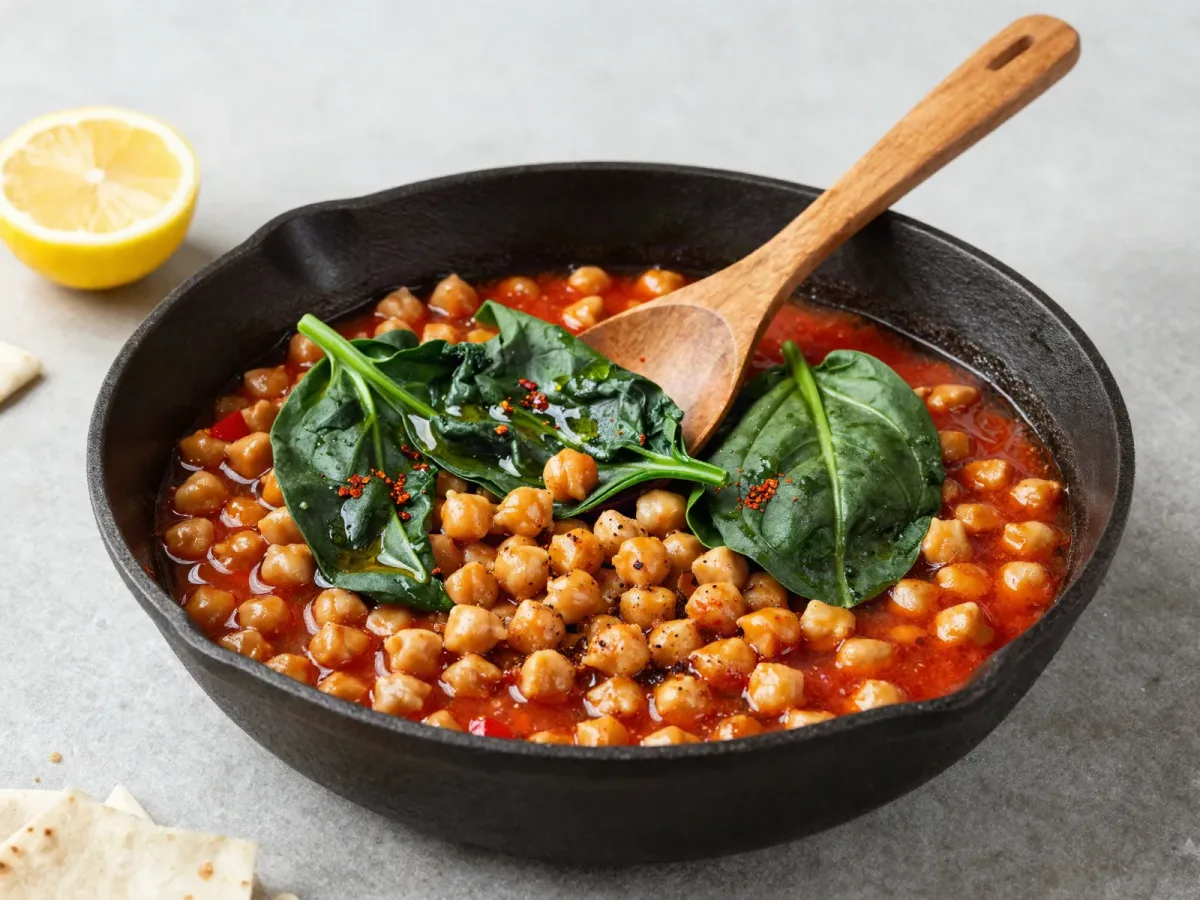
Pantry Chickpea and Tomato Skillet
No ratings yetA chickpea and tomato skillet from canned chickpeas, canned tomatoes and pantry spices, ready in 25 minutes. Serve with rice, crusty bread or a fried egg. Serves 4, ready in 25 minutes, about 260 calories per serving.
- Total
- 25min
- Serves
- 4
- Per serving
- 260cal
- Steps
- 4
Why this works
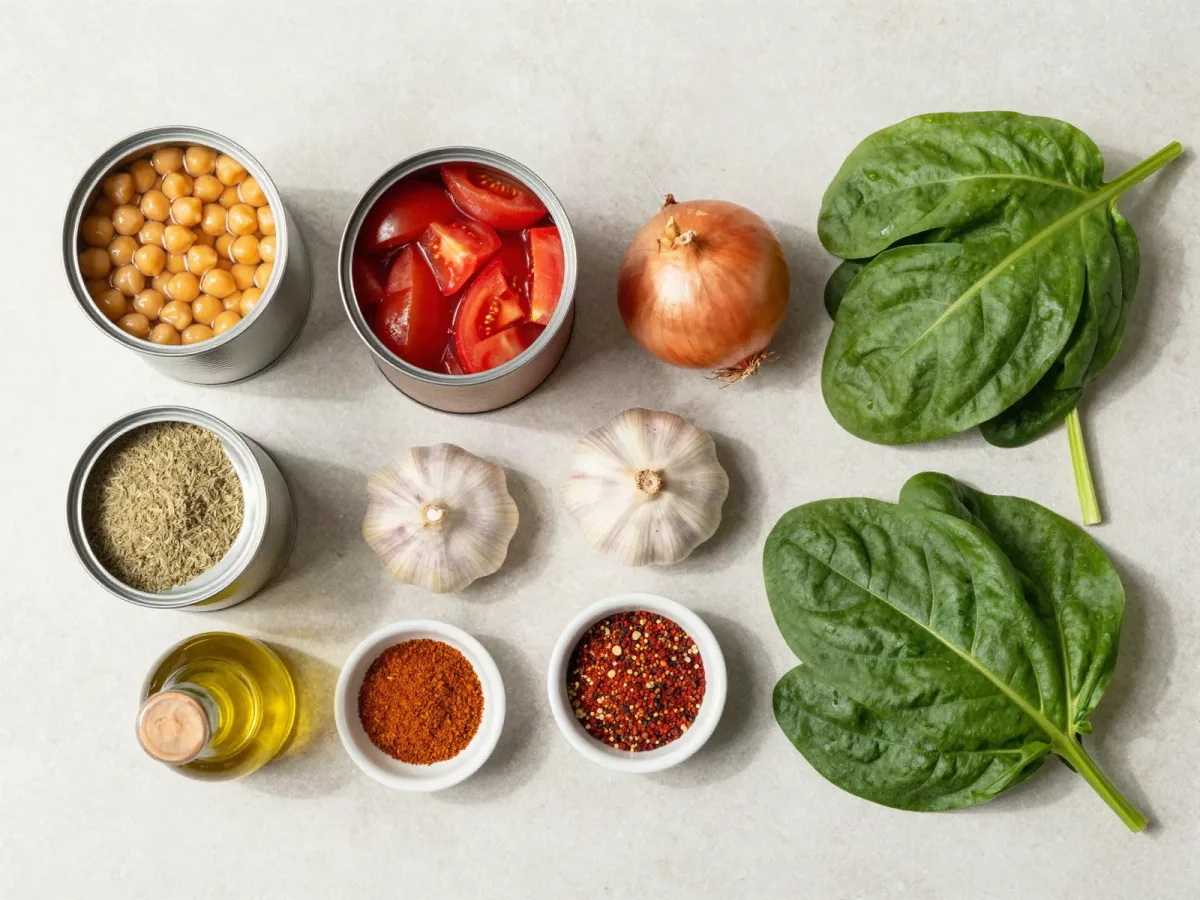
Canned chickpeas are already cooked, so the job here is building flavor around them rather than cooking them through. Softening the onion until it starts to brown gives the sauce a sweet, savory base. Blooming the cumin and paprika in hot oil for half a minute releases their aroma far more than stirring them into liquid would. Crushing some of the chickpeas with your spoon turns their starch into a natural thickener, so the sauce clings without flour or cream.
The lemon juice at the end is the step that matters most: canned tomatoes and beans taste flat on their own, and a little acid right before serving brightens the whole pan. Everything comes from the pantry except the onion, and spinach is optional, which makes this a reliable fallback dinner on nights when the fridge is nearly empty.
Pantry Chickpea and Tomato Skillet
A chickpea and tomato skillet from canned chickpeas, canned tomatoes and pantry spices, ready in 25 minutes. Serve with rice, crusty bread or a fried egg.
- Prep
- 5 min
- Cook
- 20 min
- Total
- 25 min
- Serves
- 4
Ingredients
Scaling changes amounts only; pan size and cooking times may need adjusting. Metric amounts are rounded conversions.
Instructions
- Heat the oil in a large skillet over medium heat. Add the onion and cook, stirring now and then, until soft and starting to brown, 6 to 8 minutes.
What to look for
Heat the 2 tablespoons of olive oil in a large skillet over medium heat until it looks thin and shimmery. Add the chopped onion; it should sizzle softly, not spit. Cook for 6 to 8 minutes, stirring every minute or two, until the pieces are soft enough to crush with a spoon and many edges have turned light golden brown.
That browning is worth waiting for: this sauce simmers for only about 10 minutes, so the onion supplies much of its sweetness and depth. If it starts to darken in spots before it softens, lower the heat slightly and stir in a tablespoon of water, which loosens anything stuck to the pan and slows the browning. If it is soft but still pale at 8 minutes, give it another 2 minutes.
- Add the garlic, cumin, paprika and red pepper flakes. Stir for about 30 seconds, until fragrant.
What to look for
Add the sliced garlic, 1 teaspoon cumin, 1 teaspoon paprika and the red pepper flakes, if using. Stir constantly for about 30 seconds. The spices will darken slightly and coat the onion, and the kitchen should smell warm and toasty, with the garlic turning fragrant but not brown. Cooking ground spices briefly in oil brings out flavors that would stay muted if they were stirred straight into the tomatoes.
Paprika in particular contains natural sugars that burn quickly and turn bitter, so do not let this step run long. If the garlic edges begin to brown or the spices smell sharp or smoky, add the tomatoes right away, since their liquid stops the cooking immediately. If you are using garlic powder instead, add it with the spices.
- Add the chickpeas, tomatoes with their juices, water and salt. Bring to a simmer and cook, stirring occasionally, until the sauce thickens, about 10 minutes. Lightly mash a few chickpeas against the pan to thicken it further.
What to look for
Add both cans of drained, rinsed chickpeas, the can of diced tomatoes with their juices, the 1/2 cup water or broth and 3/4 teaspoon salt. Bring it to a lively simmer, then keep it bubbling gently, uncovered, for about 10 minutes, stirring occasionally. The sauce is ready when it has reduced enough that a spoon dragged through it leaves a path that slowly fills back in, and the tomato pieces have softened.
Press a few chickpeas against the side of the pan with the back of the spoon; their starch thickens the sauce and gives it a creamier body. If the sauce is still watery after 10 minutes, simmer a few minutes more. If it gets too thick or catches on the bottom, add water a tablespoon at a time.
- Stir in the spinach until wilted, about 1 minute. Turn off the heat and stir in the lemon juice. Taste and add more salt if needed.
What to look for
Stir in the 2 cups of baby spinach, a handful at a time, and turn it through the hot sauce for about 1 minute. It is done when the leaves have collapsed and turned bright, deep green but are not yet dark or slippery. Frozen spinach should be thawed and squeezed dry first, then stirred in just until heated.
Turn off the heat and add the tablespoon of lemon juice or red wine vinegar. The acid lifts the tomato and spice flavors and keeps the dish from tasting heavy. Taste a chickpea with some sauce: if the flavors seem muted, add salt a pinch at a time; if it tastes flat but salty enough, add a little more acid. The finished skillet should be thick and saucy, not soupy.
Supper HQ · https://supperhq.com/recipes/pantry-chickpea-tomato-skillet/
Good to know
Swaps & substitutions
| Ingredient | Why it's there | Substitute | What changes |
|---|---|---|---|
| Canned chickpeas | The main protein and body of the dish | White beans such as cannellini or butter beans | Softer and creamier; they break down faster, so stir gently and mash fewer |
| Canned diced tomatoes | Form the sauce | One 14.5-oz can crushed tomatoes, or 1 1/2 cups chopped fresh tomatoes | Crushed tomatoes give a smoother, thicker sauce; fresh tomatoes need a few extra minutes of simmering |
| Medium onion | Sweetness and savory depth | 1 cup frozen chopped onion, or 2 shallots | Frozen onion browns less and releases more water; shallots are milder and slightly sweeter |
| Smoked or sweet paprika | Color and a smoky or mild sweet note | 1/2 tsp chili powder | Adds a little heat and an earthier flavor |
| Ground cumin | Warm, earthy backbone | 1 tsp ground coriander, or 1 tsp curry powder | Coriander is lighter and citrusy; curry powder adds turmeric color and a different spice profile |
| Baby spinach | Optional greens, added at the end | Chopped kale or Swiss chard | Sturdier leaves need 3 to 4 minutes in the sauce to soften |
| Lemon juice or red wine vinegar | Brightens the finished sauce | Sherry vinegar or white wine vinegar | Sherry vinegar is rounder; white wine vinegar is milder |
Tips & common mistakes
- Let the onion start to brown before adding the spices; that color adds sweetness to a short-simmered sauce.
- Stir constantly once the garlic and spices go in, and move on after about 30 seconds so they do not burn.
- Simmer uncovered so the sauce reduces and thickens.
- Press a few chickpeas against the side of the pan to give the sauce more body.
- Add the lemon juice or vinegar off the heat, then taste and adjust the salt.
Common mistakes
- Adding the chickpeas still wet. Water clinging to rinsed chickpeas thins the sauce and dilutes the spices. Shake them well in the colander before they go in.
- Stopping while the sauce is still thin. If the sauce looks watery after 10 minutes, simmer a few minutes longer and crush a few more with the back of the spoon.
- Adding the spinach too early. Spinach cooked for the whole simmer turns dark and slippery and releases water into the sauce. Stir it in at the end, just until wilted.
- Cracking eggs into a sauce that is too thick. For the egg variation, a very thick sauce scorches on the bottom before the eggs set. Loosen it with a splash of water first and keep it at a gentle simmer under the lid.
Storage & make-ahead
Cool, then refrigerate in a covered container. Reheat leftovers to 165°F, the USDA's minimum for leftovers.
- Prep ahead: chop the onion, slice the garlic and mix the cumin, paprika and red pepper flakes earlier in the day. Keep the onion and garlic covered in the refrigerator.
- Make the base ahead: cook the skillet through the simmering step and refrigerate it. Add the spinach and lemon juice when you reheat it so they taste fresh.
- Freezing: the chickpea and tomato base freezes well. Freeze it in airtight containers with headspace, since tomato sauce expands as it freezes, and use it within 3 to 4 months for best quality. Spinach darkens after freezing, and the egg variation does not freeze well because the cooked eggs turn rubbery.
- Thawing: thaw in the refrigerator, in cold water or in the microwave. Add a splash of water while reheating, then finish with fresh lemon juice.
Scaling & serving
- Over rice, couscous or toast for a filling dinner.
- With eggs: make 4 wells in the simmering sauce, crack an egg into each, cover and cook until the eggs are done the way you need them. The USDA lists 160°F as the safe minimum temperature for egg dishes; for runny yolks, use pasteurized eggs.
- As a dip or spread: simmer the sauce a few minutes longer until very thick, mash about half the chickpeas, and serve warm with flatbread or pita chips as a shared appetizer.
- Stuffed into baked sweet potatoes or halved roasted bell peppers, topped with a spoonful of plain yogurt to balance the spices.
- For a lunch bowl: spoon it over cooked quinoa or farro with sliced cucumber and a drizzle of tahini; it holds well in a container for the next day.
Nutrition per serving
- Calories
- 260
- Protein
- 10 g
- Carbs
- 36 g
- Fiber
- 11 g
- Sugar
- 9 g
- Fat
- 10 g
- Sat. fat
- 1.5 g
- Sodium
- 740 mg
How we calculated this
Approximate values for 1 of 4 servings, calculated from the ingredient list using USDA FoodData Central data (computed 2026-11-08). Raw ingredient weights are used, so fat lost in cooking is not subtracted, and brands vary, especially for sodium in broth, beans and salsa. Not a substitute for professional dietary advice.
Quick answers
Can I use dried chickpeas?
Yes. Two 15-ounce cans hold about 3 cups of drained chickpeas, so use about 3 cups of fully cooked chickpeas instead.
Is this recipe vegan?
The base skillet uses no animal products if you use water or vegetable broth. The egg variation is not vegan.
What can I serve it with?
Rice, couscous, toast or flatbread all work. For more protein, cook eggs in the sauce as described above.
How can I make the sauce thicker?
Simmer it a few minutes longer uncovered, and mash more of the chickpeas against the side of the pan; their starch is the main thickener here. Using crushed tomatoes instead of diced also gives a thicker sauce from the start. Avoid adding flour or cornstarch, which can make the sauce taste pasty.
More from Pantry Meals
Read the guide
Ratings and reviews
Loading ratings…
Sources
- USDA FSIS — Safe Minimum Internal Temperature Chart (checked 2026-11-08)
Drafted with AI assistance and checked against the sources above by a human editor before publication. See our editorial policy and corrections.
Kitchen reference: How Long Does Cooked Chicken Last in the Fridge? · Cups to Grams and Other Kitchen Measurement Conversions · Safe Internal Temp for Chicken, Pork, Beef, Eggs and Fish
More dinners to try
All recipes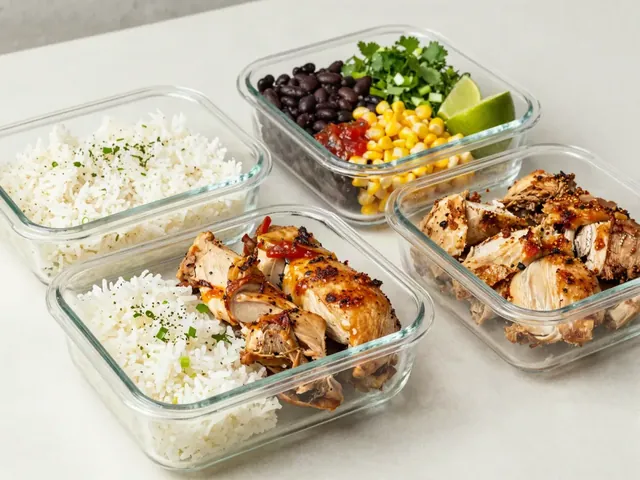
Meal-Prep Chicken Burrito Bowls
Chicken burrito bowls for meal prep: spiced roasted thighs, lime rice, black beans, corn and salsa in four containers for lunches. Chicken cooked to 165°F.
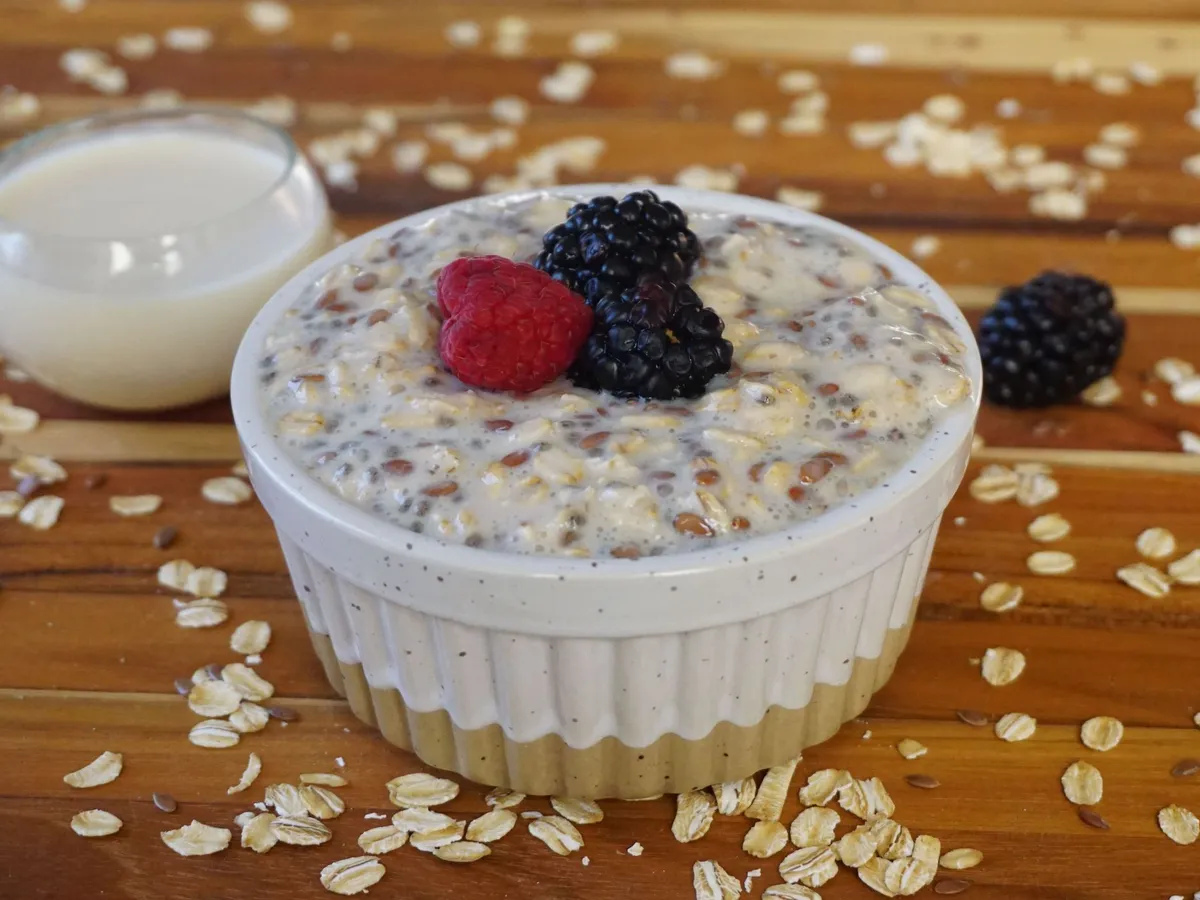
Make-Ahead Overnight Oats
Overnight oats with rolled oats, milk, Greek yogurt, chia and maple syrup. Mix four jars in 10 minutes for grab-and-go breakfasts, no cooking needed.
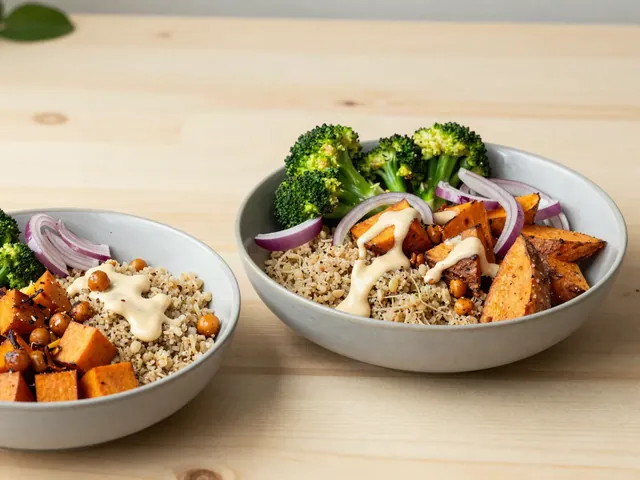
Roasted Vegetable Grain Bowls with Lemon-Tahini Dressing
Roasted vegetable grain bowls: sweet potato, broccoli and chickpeas over quinoa with a lemon-tahini dressing. Four vegetarian meal-prep bowls, one pan.
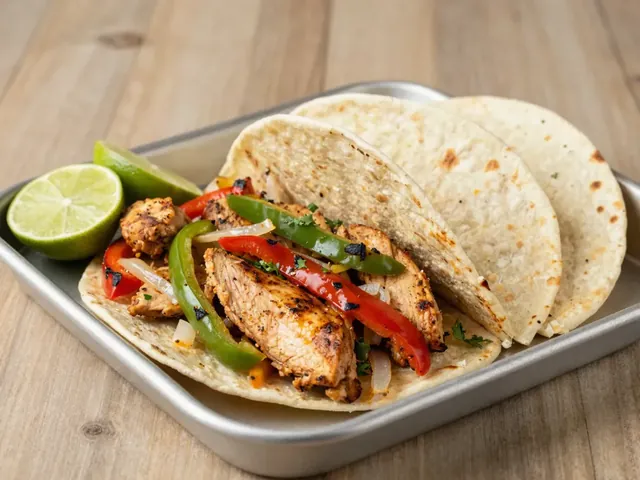
Sheet-Pan Chicken Fajitas
Sheet pan chicken fajitas: chicken strips, peppers and onion roasted on one hot pan with a homemade spice blend, cooked to 165°F. Wrap in warm tortillas.