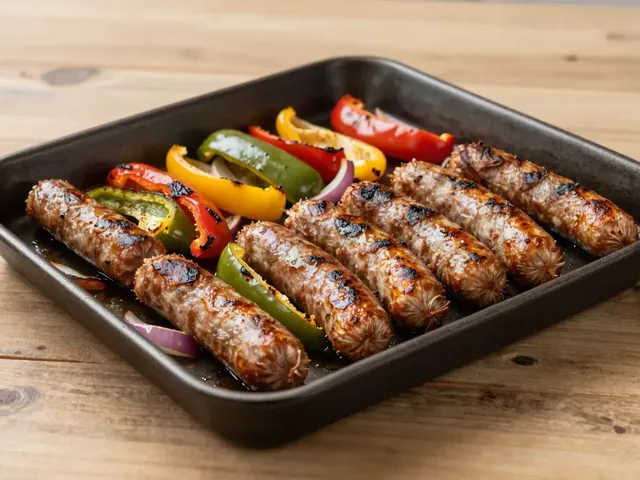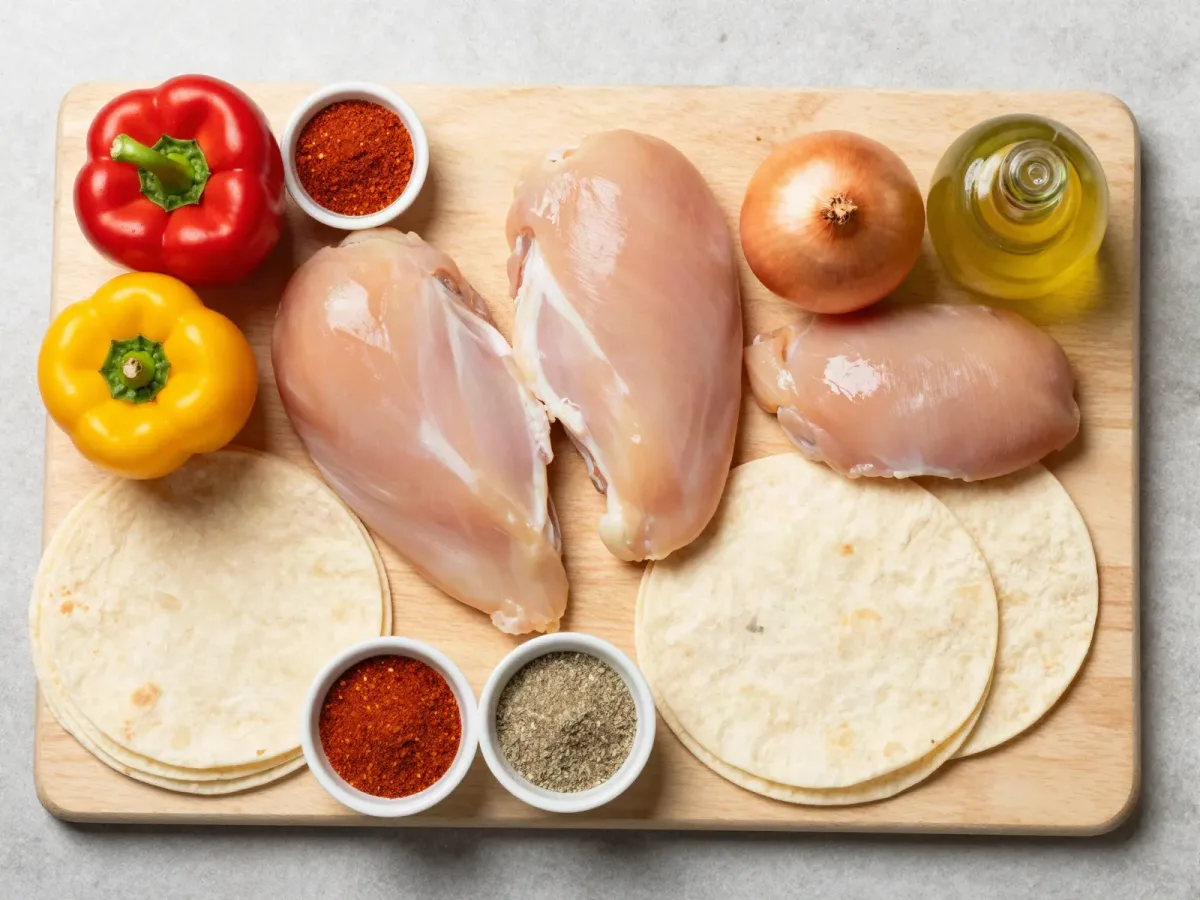
A sheet-pan dinner is a protein and vegetables roasted together on one rimmed baking sheet. Done well, everything browns at the edges and finishes at the same time; done badly, the vegetables steam into a pale pile while the meat overcooks. The difference comes down to a few decisions you make before the pan goes in the oven.
The five recipes
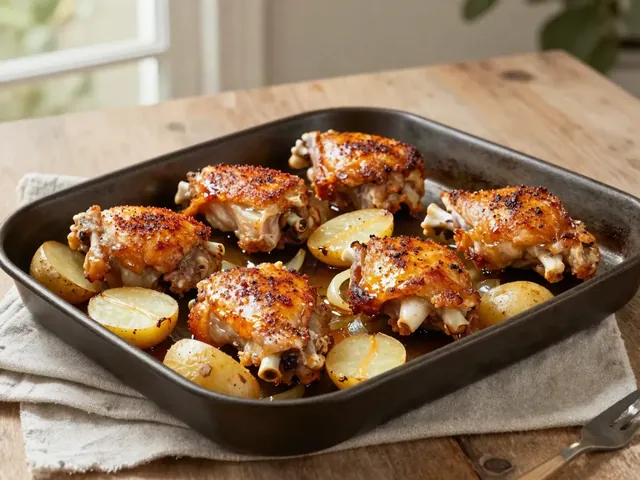
- Sheet-Pan Chicken Thighs with Potatoes and Onions — the classic: bone-in thighs, smoked paprika, one pan.
- Sheet-Pan Sausage and Peppers — Italian sausage with sweet peppers and onion.
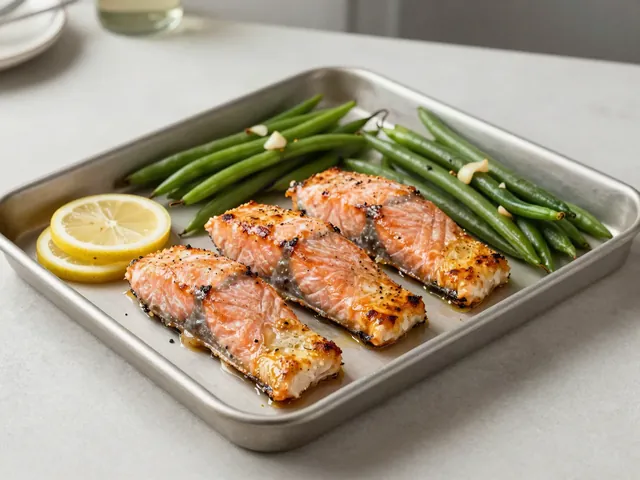
- Sheet-Pan Salmon with Green Beans and Lemon — the fastest of the five.
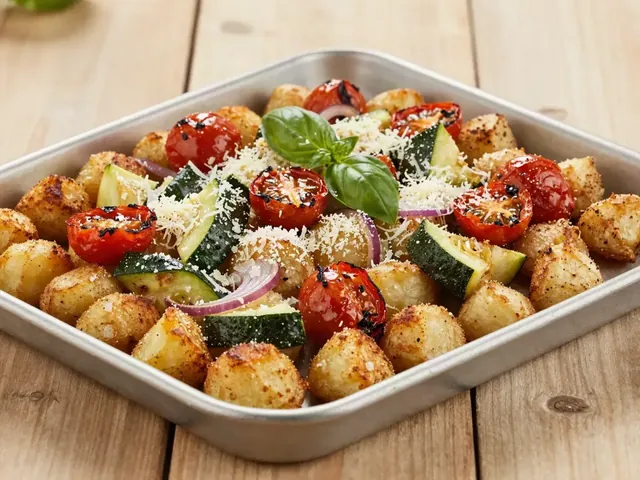
- Sheet-Pan Gnocchi with Roasted Vegetables — shelf-stable gnocchi that crisps like roast potatoes.
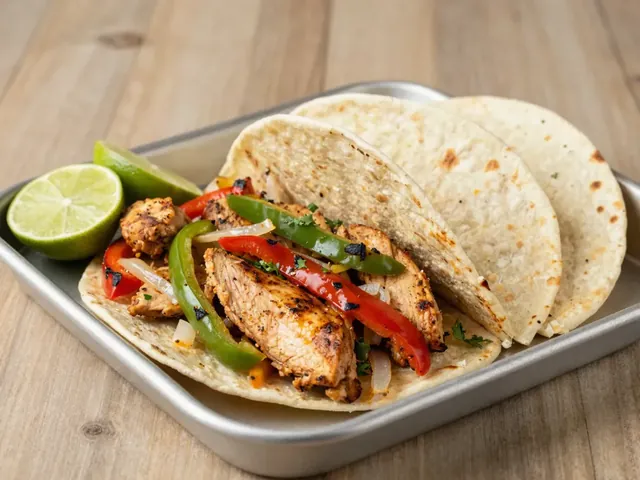
- Sheet-Pan Chicken Fajitas — sliced chicken and peppers for tortillas.
1. Use the right pan
A large rimmed baking sheet (often sold as a half-sheet pan, about 18 × 13 inches) is the standard. The rim keeps juices in; the low sides let hot air reach the food so it browns. Dark pans brown faster than light ones, so check a few minutes early if yours is dark.
Lining the pan with foil or parchment makes cleanup easier. Parchment releases food more cleanly; foil handles the highest oven temperatures without browning at the edges.
2. Turn the oven up
Most sheet-pan dinners roast at 400°F to 450°F. High heat is what browns vegetables and crisps chicken skin before the food dries out. Heat the oven fully before the pan goes in, with a rack in the center. (Cooking in Celsius? See our kitchen measurement conversions.)
3. Do not crowd the pan
Crowding is the most common reason sheet-pan vegetables turn out soggy. When pieces touch, the moisture they release has nowhere to go, so they steam. Leave a little space around each piece. If everything does not fit in one layer, use two pans on two racks and swap their positions halfway through.
4. Cut by cooking time
Dense foods take longer than tender ones. Either cut slow-cooking foods smaller, or give them a head start:
| Takes longer (give a head start or cut small) | Middle | Cooks fast (add later or cut large) |
|---|---|---|
| Potatoes, sweet potatoes, carrots, winter squash | Onions, bell peppers, broccoli, cauliflower | Green beans, zucchini, cherry tomatoes, asparagus |
| Bone-in chicken pieces | Sausages, boneless chicken thighs | Fish fillets, shrimp, sliced chicken breast |
The salmon recipe shows the head-start method in action: the green beans roast briefly first, then the fish joins them so both finish together.
5. Oil and season everything
Toss vegetables with enough oil to coat them lightly — about 1 tablespoon per pound is a good starting point — plus salt. Oil conducts heat to the surface, which is what browns it. Season the protein separately so it gets its share.
6. Check doneness with a thermometer
Color is not a reliable sign that meat is safely cooked. Use a food thermometer and the USDA's minimums:
- Chicken and all poultry, including chicken sausage: 165°F
- Raw pork or beef sausage and other ground meats: 160°F
- Fish: 145°F, or until the flesh is opaque and separates easily with a fork
See the full safe internal temperatures chart.
Pan materials and sizes, in more detail
Not every baking sheet behaves the same way, and knowing what you own helps you predict how a recipe will turn out.
- Plain aluminum heats quickly and evenly, which is why it is the most common choice for sheet pans. Light-colored aluminum reflects some heat, so food browns steadily rather than fast. Uncoated aluminum can discolor when it meets acidic foods such as tomatoes or lemon juice; a parchment liner avoids that.
- Aluminized or carbon steel is heavier and resists warping. It holds heat well, which helps with browning on the underside of potatoes and gnocchi.
- Nonstick pans release food easily, but the dark coating browns quickly and most coatings should not be scraped with metal utensils. Check the manufacturer's maximum oven temperature before using one at the top of the 400°F to 450°F range.
- Insulated (air-cushion) pans are designed to stop cookies from browning on the bottom. That same feature works against you at dinner, so save them for baking.
Size matters as much as material. A half-sheet pan is the size most sheet-pan recipes, including ours, are written for. A quarter-sheet pan is about half that area: useful for a single portion, but if you cram a full recipe onto it you will steam the food. A jelly-roll pan is a little smaller than a half sheet with a similar rim; it works for most recipes if you leave out a handful of vegetables or split the batch. Whatever you use, the test is the same: the food should sit in a single layer with a little space between pieces.
Thin pans sometimes warp with a loud pop in a hot oven, which can tip juices toward one corner. Heavier pans warp less. Spreading food evenly across the whole surface, instead of piling it at one end, also helps, and so does letting a hot pan cool before you rinse it.
More detail
Rack position, preheating and convection
A rack in the center of the oven gives the most even heat and is the default for one pan. If you want more color on the underside, for example on potatoes or gnocchi, move the pan to the lower third for the last part of cooking, where it is closer to the bottom element. If the tops are pale but the bottoms are done, the upper third does the opposite.
Preheat fully. Many ovens signal that they are ready before the walls and racks are fully hot. Giving the oven extra time after the signal means the pan starts roasting as soon as it goes in, rather than slowly warming the food. Some cooks also preheat the empty pan, so vegetables start sizzling on contact; if you try this, add the oiled food carefully, because the pan will be extremely hot.
Convection (a fan-assisted setting) moves hot air around the food, which speeds up browning and drying. That is good for sheet-pan dinners, but it means recipes written for a conventional oven can finish early. Follow your oven manual's advice on adjusting temperature for convection, and start checking doneness well before the recipe's time. Convection also helps when you use two pans at once, because it evens out the hot and cool spots between racks, though swapping the pans halfway is still a good idea.
Foil, parchment or a bare pan?
Each surface gives a slightly different result:
- Bare pan: the best browning, because food touches hot metal directly. It also means the most scrubbing. Oil the food well so it does not stick.
- Parchment paper: food releases cleanly, and acidic ingredients do not react with the pan. Parchment is rated for a maximum temperature printed on the box; check it before roasting at the top of the range, and keep loose edges from touching the oven walls or heating element.
- Aluminum foil: handles high heat and makes cleanup fast. Food can stick to plain foil, so oil it lightly or use nonstick foil. Fold the edges up slightly to keep juices on the pan.
For the crispest results with a liner, choose parchment for delicate foods like fish and gnocchi, and foil or a bare pan when deep browning matters most, such as for potatoes and chicken thighs. Do not use wax paper in the oven; its coating is not meant for high heat.
Build your own sheet-pan dinner
Once you understand the method, you do not need a recipe. Use this formula for 4 servings on one large pan:
- One protein, about 1 to 1½ pounds. Chicken thighs, sausages, salmon fillets, shrimp, chickpeas or firm tofu.
- Two or three vegetables, about 1½ to 2 pounds total. Pick at least one from the "takes longer" or "middle" columns of the table above so the pan has some substance, and one quick-cooking vegetable for color.
- Fat. Olive oil or another neutral oil, about 1 tablespoon per pound of vegetables, as above.
- A seasoning direction. Choose one and stick to it so the flavors on the pan agree with each other.
- A finisher added after roasting: lemon or lime juice, fresh herbs, a spoonful of yogurt, pesto, salsa or grated cheese.
Then plan the timing. Start whatever takes longest first, add the middle items partway through, and add the fastest items last, so everything is ready together. Write the plan down the first few times; it soon becomes second nature.
Seasoning directions that work with almost any combination:
- Smoky and savory: smoked paprika, garlic powder, salt and pepper, as in our chicken thighs with potatoes.
- Italian: dried oregano, red pepper flakes and garlic, finished with grated Parmesan, like the sausage and peppers.
- Fajita-style: chili powder, cumin and lime, as in the chicken fajitas.
- Lemon and herb: lemon zest before roasting and juice after, with dill or parsley; it suits the salmon with green beans.
Three combinations to try using the formula:
- Sausage, sweet potatoes and broccoli: sweet potatoes go in first, sausages and broccoli join them partway through. Finish with a drizzle of mustard thinned with a little vinegar.
- Chickpeas, cauliflower and red onion: a vegetarian pan with cumin and smoked paprika. Pat the drained chickpeas dry so they crisp. Finish with lemon and a spoonful of yogurt.
- Shrimp, zucchini and cherry tomatoes: everything is fast, so roast the zucchini briefly, then add the shrimp and tomatoes for the last few minutes. Toss with garlic oil and parsley.
For a meatless option that needs no timing at all, the gnocchi with roasted vegetables roasts the shelf-stable gnocchi right alongside the vegetables.
Handling raw meat on the pan
Sheet-pan dinners put raw protein and vegetables side by side, so a few habits keep things safe. Cut vegetables first, then meat, or use separate cutting boards. Wash your hands, knife and board in hot, soapy water after handling raw meat or poultry. Vegetables roasting in the juices of raw chicken or sausage are cooked along with them, so keep them on the pan until the protein reaches its safe temperature instead of serving some of the vegetables early. If you want a few vegetables to stay untouched by raw juices, roast them at the far end of the pan or on a second pan.
Leftovers
Refrigerate leftovers within 2 hours of cooking, in shallow containers so they cool quickly. They keep 3 to 4 days in the refrigerator, and should be reheated to 165°F. Our fridge and freezer storage guide has times for other foods.
Roasted vegetables soften in the refrigerator. To bring back some crispness, reheat leftovers on a sheet pan in a hot oven rather than in the microwave, and check that meat reaches 165°F. If you do use the microwave, cover the dish, stir or rotate it partway through, and check the temperature in several spots, because microwaves heat unevenly.
Troubleshooting
The vegetables are soggy and pale. The pan was crowded, the oven was not fully hot, or the vegetables were wet. Dry washed vegetables well, spread them out, and use a second pan if needed.
The edges burn before the center cooks. The pieces are too small, or a dark pan is browning them fast. Cut pieces larger, move the pan up from the lower third, or check earlier.
The chicken is done but the potatoes are still hard. The potatoes needed a head start or smaller pieces. Next time, roast them alone first. For tonight, take the chicken off the pan, keep it warm under loose foil, and give the potatoes more time.
The vegetables are done but the meat is not. Move the vegetables to a plate and return the meat to the oven until it reaches its safe temperature. Next time, add the vegetables later, or cut the meat thinner.
Everything sticks. The food needed more oil, the pan was bare, or you tried to turn the food too soon. Browned food releases more easily once a crust has formed; give it a few more minutes before flipping, or use parchment.
The oven smokes. Fat from sausages or chicken skin is spattering, or old drips on the oven floor are burning. A rimmed pan contains most of it; clean up spills between uses.
One side of the pan browns faster. Most ovens have hot spots. Rotate the pan front to back halfway through cooking.
Quick answers
Do I need to flip the food halfway through?
Turning vegetables once helps them brown on more than one side, but it is not essential. Flipping too often slows browning, because the pan loses heat each time the door opens. Turn once, about halfway, and rotate the pan at the same time.
Can I use frozen vegetables on a sheet pan?
Yes, though they release more water than fresh vegetables and will not brown as deeply. Spread them out on a hot pan with oil, do not thaw them first, and give them plenty of room. Hardy frozen vegetables such as broccoli, cauliflower and green beans work best.
Can I make a sheet-pan dinner with frozen chicken?
It is better to thaw chicken first, in the refrigerator, so it cooks evenly alongside the vegetables. Whatever you do, check with a thermometer that poultry reaches 165°F in the thickest part.
What is the best oil for high-heat roasting?
Olive oil works well for most sheet-pan dinners in the 400°F to 450°F range. Neutral oils such as canola or avocado oil are also good choices. Use enough to coat the food lightly; a slick of oil pooling on the pan is too much.
How do I keep fish from overcooking?
Fish cooks quickly, so it always goes in last. Roast the vegetables first, then add the fillets and check them early. Fish is done at 145°F, or when the flesh is opaque and flakes easily with a fork.
Can I prepare a sheet-pan dinner ahead of time?
You can cut vegetables and mix the seasoning a day ahead and keep them in the refrigerator. Keep raw meat in a separate container and combine everything on the pan right before roasting.
Why are my roasted vegetables bitter?
Very dark, charred edges taste bitter, and garlic burns quickly at high heat. Add minced garlic later in cooking, or use garlic powder, and pull the pan when the edges are deep golden-brown rather than black.
Can I double a sheet-pan recipe?
Yes, but use two pans instead of piling everything onto one. Place them on two racks, swap their positions and rotate them halfway through, and expect cooking to take a little longer.
Sources
- USDA FSIS — Safe Minimum Internal Temperature Chart (checked 2026-11-08)
- USDA FSIS — Leftovers and Food Safety (last updated Jul 31, 2020) (checked 2026-11-08)
Drafted with AI assistance and checked against the sources above by a human editor before publication. See our editorial policy.