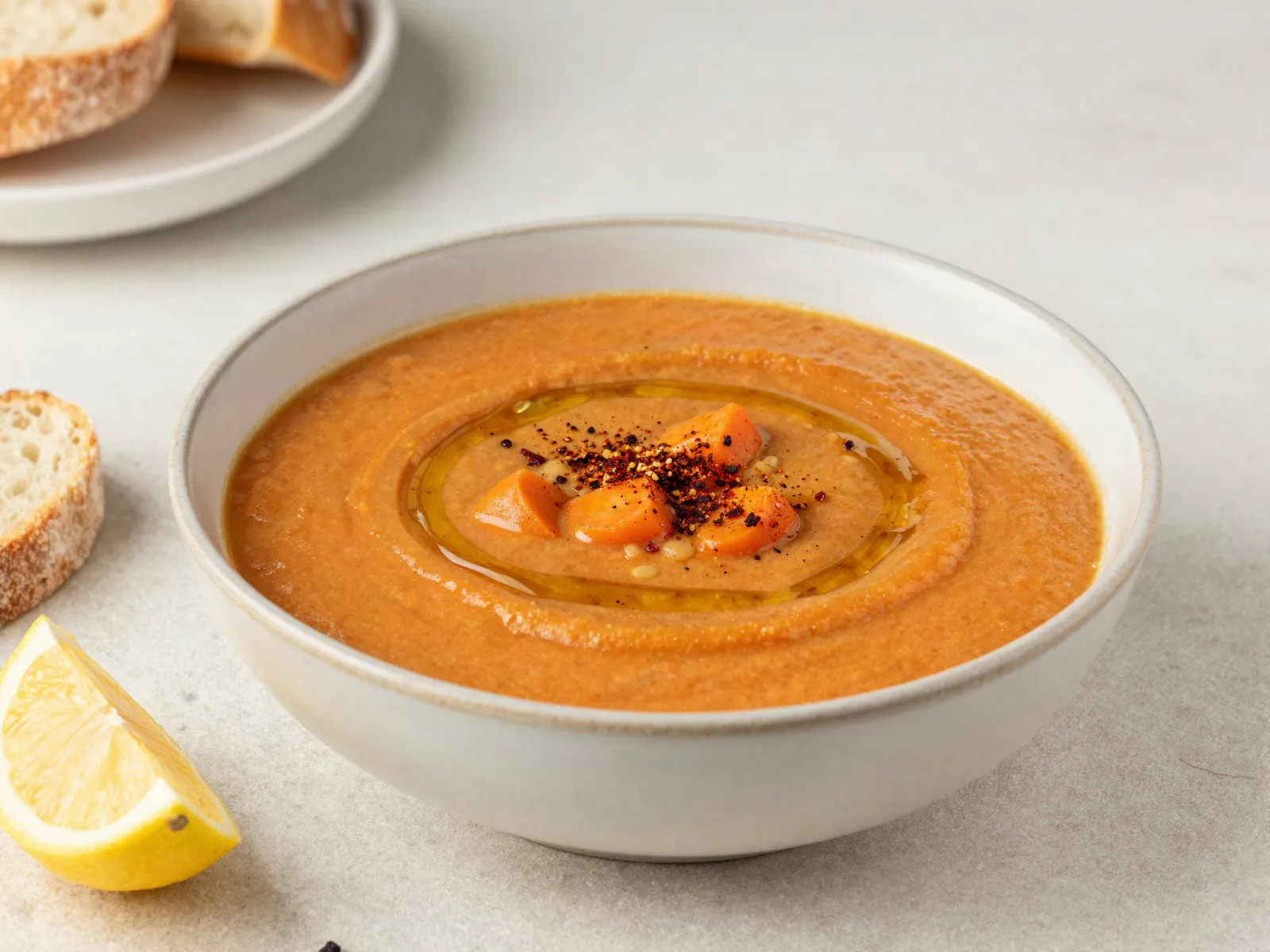
Red Lentil Soup with Cumin and Lemon
No ratings yetRed lentil soup simmered with onion, carrot, garlic, tomato paste and cumin until creamy, then brightened with lemon. Vegan, pantry-friendly, freezes well. Serves 6, ready in 45 minutes, about 250 calories per serving.
- Total
- 45min
- Serves
- 6
- Per serving
- 250cal
- Steps
- 5
Why this works
Red lentils fall apart as they cook, so the soup turns creamy without any dairy. Cooking the tomato paste and spices in oil for a minute before adding liquid deepens their flavor, and lemon at the end keeps the soup from tasting flat.
Red Lentil Soup with Cumin and Lemon
Red lentil soup simmered with onion, carrot, garlic, tomato paste and cumin until creamy, then brightened with lemon. Vegan, pantry-friendly, freezes well.
- Prep
- 10 min
- Cook
- 35 min
- Total
- 45 min
- Serves
- 6
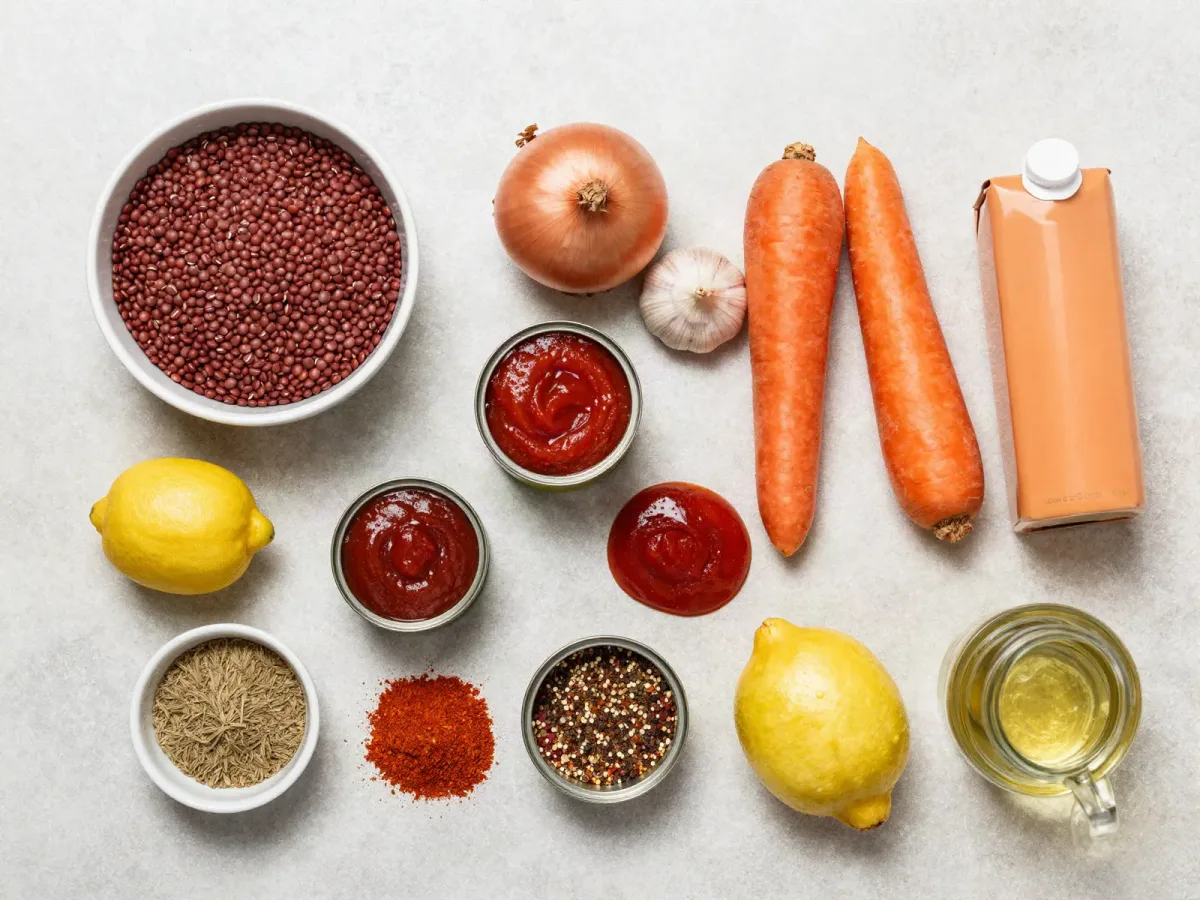
Ingredients
Scaling changes amounts only; pan size and cooking times may need adjusting. Metric amounts are rounded conversions.
Instructions
- Heat the oil in a large pot over medium heat. Add the onion and carrots and cook, stirring occasionally, until the onion is soft and translucent, 7 to 8 minutes.
What to look for
Heat the 2 tablespoons of olive oil in a large pot over medium heat. Add the chopped onion and carrots and stir to coat. Cook for 7 to 8 minutes, stirring occasionally. The onion is ready when it looks translucent and glossy, has lost its raw bite, and has collapsed noticeably in volume; the carrots will have brightened in color and started to soften at the edges but will still be firm in the center.
They finish cooking during the simmer. Keep the heat moderate: you want a gentle sizzle, not browning. If the onion begins to brown before it softens, lower the heat and add a tablespoon of water. Chopping the carrots small and even is what lets them turn tender in the same time as the lentils.
- Add the garlic, tomato paste, cumin, paprika and red pepper flakes. Stir for 1 minute, until the tomato paste darkens slightly.
What to look for
Add the minced garlic, 2 tablespoons tomato paste, 1 1/2 teaspoons cumin, 1 teaspoon paprika and the red pepper flakes, if using. Stir constantly for 1 minute, pressing the tomato paste against the bottom of the pot and working it through the vegetables. You will see the paste darken from bright red to a deeper brick color, and the spices will smell toasty and warm.
Cooking the paste and spices in oil before any liquid goes in concentrates their flavor and removes the raw edge from the tomato paste; skipping this step makes the soup taste flatter. A thin film may stick to the bottom of the pot, which is fine, since the broth will lift it in the next step. If anything starts to smell scorched or turns black, add the broth right away and lower the heat.
- Add the lentils, broth and salt. Bring to a boil, then lower the heat and simmer, partly covered and stirring now and then, until the lentils have broken down and the carrots are tender, 20 to 25 minutes.
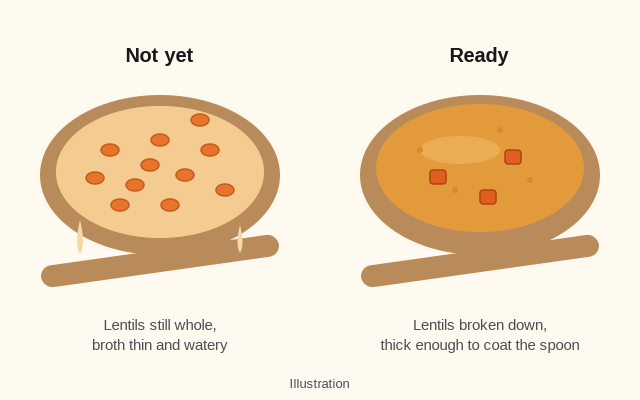
Illustration What to look for
Add the 1 1/2 cups rinsed red lentils, the 6 cups broth or water and 1 teaspoon salt. Bring it to a boil over medium-high heat, then lower the heat so it simmers gently and set the lid partly on, leaving a gap for steam. Cook for 20 to 25 minutes, stirring every 5 minutes or so, since lentils settle and stick as they soften.
A foamy layer may form on top during the first few minutes; you can skim it off or simply stir it back in. The soup is ready when the lentils have lost their shape and turned a pale golden yellow, and a piece of carrot crushes easily against the side of the pot. If the soup gets very thick before that, add a cup of water.
- For a smooth soup, blend part or all of it with an immersion blender, or carefully blend in batches in a countertop blender with the lid vented.
What to look for
Red lentils break down on their own, so the soup is already fairly creamy, but blending makes it silky. For a fully smooth soup, use an immersion blender directly in the pot, keeping the blade submerged to avoid splatters. For a soup with some texture, blend just a few pulses, or blend about half.
If you use a countertop blender, work in batches, fill the jar no more than halfway, remove the center cap from the lid and cover the opening with a folded towel so steam can escape; hot liquid expands as it blends and can force the lid off. Return the blended soup to the pot. Unblended, the soup will have soft carrot pieces and a rustic look; blended, it turns an even orange color. Both are correct, so choose what you prefer.
- Stir in the lemon juice. Taste and add more salt or lemon as needed. Thin with a little water if it is thicker than you like.
What to look for
Stir in the 2 tablespoons of lemon juice. The soup should immediately taste brighter and more balanced, since the acid lifts the earthy lentils and warm spices. Taste a spoonful and adjust: if it tastes dull, add salt in small pinches, especially if you used water rather than broth; if it is salty enough but still flat, add more lemon. Then check the consistency.
Red lentil soup thickens quickly as it stands, so it may already be thicker than you want. Stir in water, a few tablespoons at a time, until it pours easily from a ladle, then bring it back to a simmer and taste once more, since thinning dilutes the seasoning. Serve with lemon wedges on the side so everyone can add extra brightness at the table.
Supper HQ · https://supperhq.com/recipes/red-lentil-soup/
Good to know
Swaps & substitutions
| Ingredient | Why it's there | Substitute | What changes |
|---|---|---|---|
| Red lentils | Break down into a creamy, thick soup | Yellow split peas or split mung beans | Split peas need 40 to 50 minutes and more liquid; mung beans cook in a similar time with a slightly earthier flavor |
| Vegetable broth | Savory depth for most of the liquid | Water plus 1 extra tsp salt, or chicken broth | Water gives a cleaner, more lentil-forward flavor; chicken broth is richer but no longer vegan |
| Large onion | Sweet, savory base | 2 leeks, white and light green parts, well washed | Milder and more delicate; leeks need thorough rinsing to remove grit |
| Carrots | Sweetness and color | 1 cup diced butternut squash or sweet potato | Sweeter and creamier when blended; the soup turns a deeper orange |
| Tomato paste | Body, color and depth | 1/2 cup crushed tomatoes, added with the broth | Lighter color and a fresher tomato flavor; less concentrated |
| Ground cumin | Warm, earthy main spice | 2 tsp mild curry powder | Adds turmeric and coriander, giving a more curry-like flavor |
| Lemon juice | Brightens the finished soup | Lime juice or 1 tbsp red wine vinegar | Lime is a little sharper; vinegar is less fruity, so start with less |
Tips & common mistakes
- Cook the onion until soft and translucent before adding the spices.
- Give the tomato paste and spices a full minute in the oil so they deepen in flavor.
- Stir now and then while the soup simmers; red lentils can stick to the bottom as they thicken.
- If you use a countertop blender, fill it no more than halfway, vent the lid and cover it with a towel while blending.
- Add the lemon juice at the end, then taste and adjust the salt.
Common mistakes
- Letting the lentils boil dry or stick. Red lentils absorb a lot of liquid as they break down. If the soup turns very thick before the lentils are soft, add water, lower the heat and scrape the bottom of the pot.
- Cutting the carrots too large. The lentils break down in 20 to 25 minutes, but big carrot chunks stay hard. Cut the carrots into small, even pieces.
- Salting heavily with salted broth. Store-bought broth often contains plenty of salt. Use less added salt at the start and adjust at the end.
- Adding the lemon juice early. Lemon cooked through the whole simmer loses its brightness. Stir it in at the end, and add a fresh squeeze after reheating leftovers.
Storage & make-ahead
Cool, then refrigerate in covered containers, or freeze in portions. Reheat to 165°F, the USDA's minimum for leftovers, adding liquid as needed.
- Prep ahead: chop the onion, carrots and garlic earlier in the day and refrigerate them covered. Rinse and pick over the lentils ahead too.
- Freezing details: cool the soup quickly in shallow containers and refrigerate within 2 hours before freezing. Freeze in airtight portion containers, leaving headspace for expansion, and use within 3 to 4 months for best quality. If you plan to freeze it, leave out the lemon and add it after reheating. Keep yogurt toppings out of the frozen portions.
- Thawing and reheating: thaw in the refrigerator, in cold water or in the microwave. Bring the soup to a rolling boil when reheating, and whisk in water or broth, since it thickens a lot as it stands.
Nutrition per serving
- Calories
- 250
- Protein
- 13 g
- Carbs
- 39 g
- Fiber
- 7 g
- Sugar
- 5 g
- Fat
- 5 g
- Sat. fat
- 1 g
- Sodium
- 1040 mg
How we calculated this
Approximate values for 1 of 6 servings, calculated from the ingredient list using USDA FoodData Central data (computed 2026-11-08). Raw ingredient weights are used, so fat lost in cooking is not subtracted, and brands vary, especially for sodium in broth, beans and salsa. Not a substitute for professional dietary advice.
Quick answers
Do red lentils need to be soaked?
No. Red lentils are split and hulled, so they cook in about 20 minutes without soaking. Rinse them to remove dust and some surface starch.
Can I use green or brown lentils?
You can, but they hold their shape and take longer, usually 30 to 40 minutes. The soup will be brothier and less creamy unless you blend it.
Why did my soup get so thick?
Red lentils keep absorbing liquid as they sit, especially in the refrigerator. Stir in water or broth when reheating until it is the consistency you want.
Why are my red lentils still firm after 25 minutes?
Older lentils that have sat in the pantry for a long time can take longer to soften. Hard water and adding acidic ingredients early can also slow them down, which is one reason the lemon goes in at the end. Keep simmering with more liquid as needed until they break down, checking every 5 minutes.
More from Pantry Meals
Read the guide
Ratings and reviews
Loading ratings…
Sources
- USDA FSIS — Safe Minimum Internal Temperature Chart (checked 2026-11-08)
Drafted with AI assistance and checked against the sources above by a human editor before publication. See our editorial policy and corrections.
Kitchen reference: How Long Does Cooked Chicken Last in the Fridge? · Cups to Grams and Other Kitchen Measurement Conversions · Safe Internal Temp for Chicken, Pork, Beef, Eggs and Fish
More dinners to try
All recipes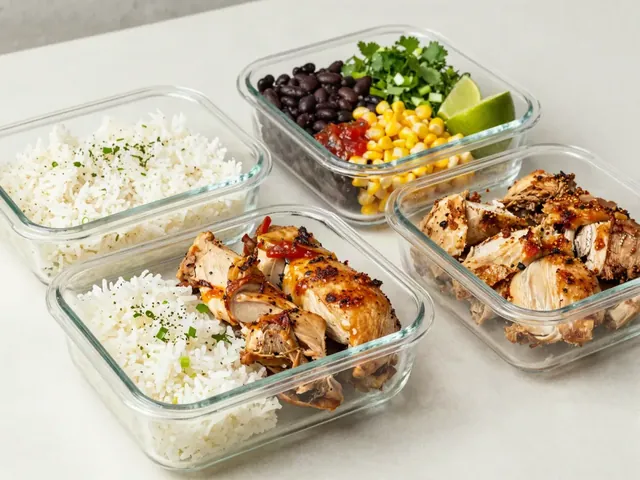
Meal-Prep Chicken Burrito Bowls
Chicken burrito bowls for meal prep: spiced roasted thighs, lime rice, black beans, corn and salsa in four containers for lunches. Chicken cooked to 165°F.
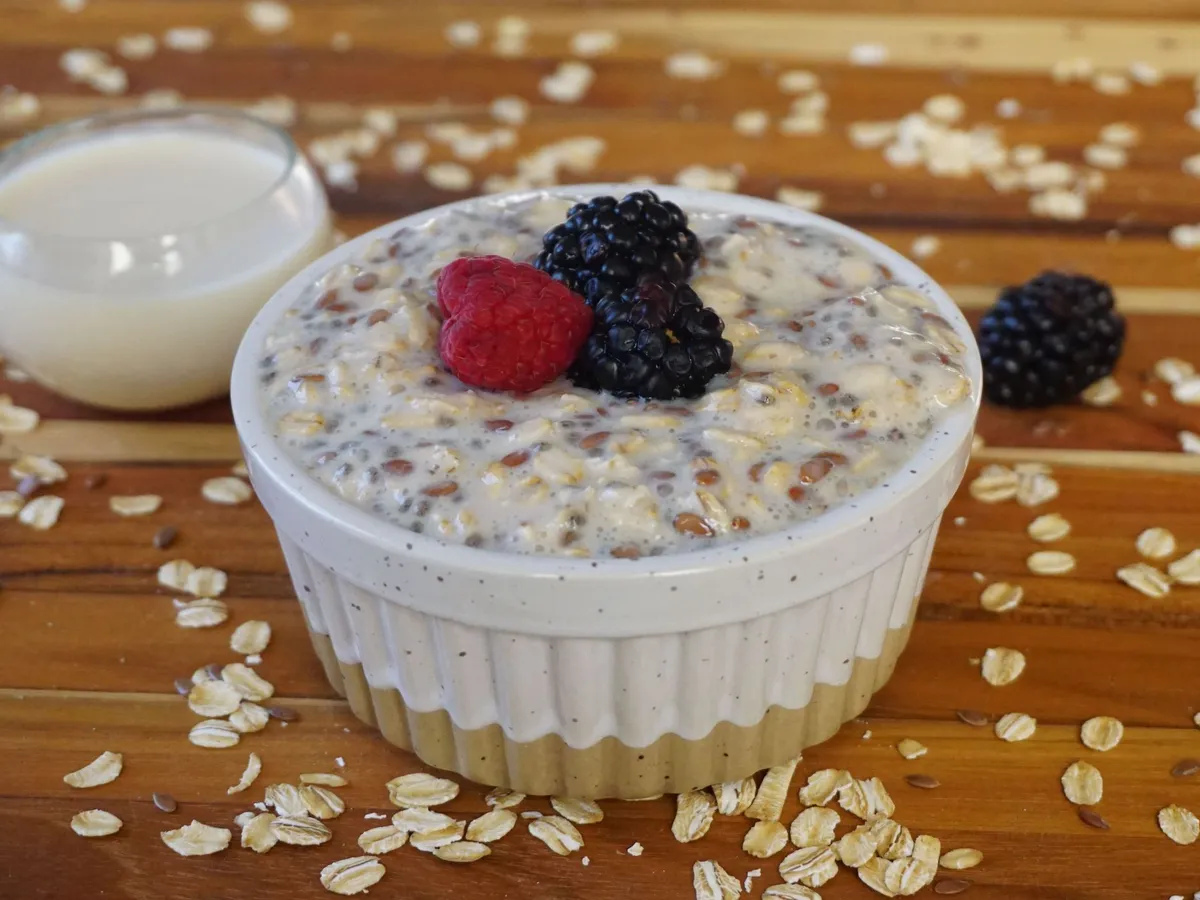
Make-Ahead Overnight Oats
Overnight oats with rolled oats, milk, Greek yogurt, chia and maple syrup. Mix four jars in 10 minutes for grab-and-go breakfasts, no cooking needed.
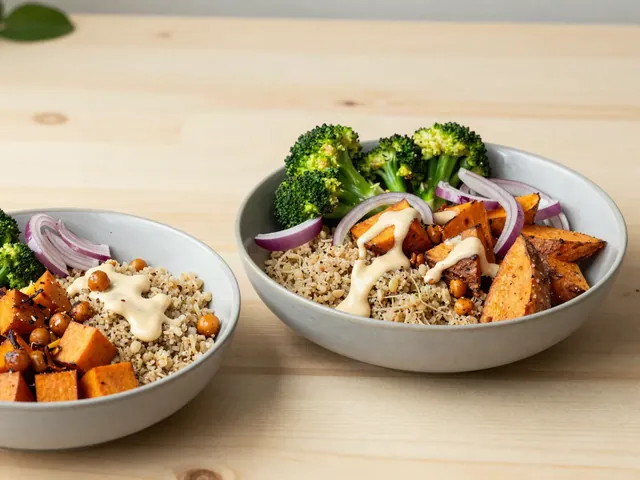
Roasted Vegetable Grain Bowls with Lemon-Tahini Dressing
Roasted vegetable grain bowls: sweet potato, broccoli and chickpeas over quinoa with a lemon-tahini dressing. Four vegetarian meal-prep bowls, one pan.
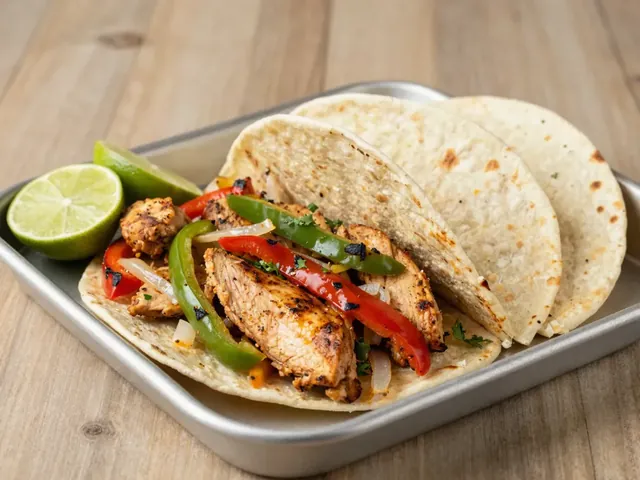
Sheet-Pan Chicken Fajitas
Sheet pan chicken fajitas: chicken strips, peppers and onion roasted on one hot pan with a homemade spice blend, cooked to 165°F. Wrap in warm tortillas.