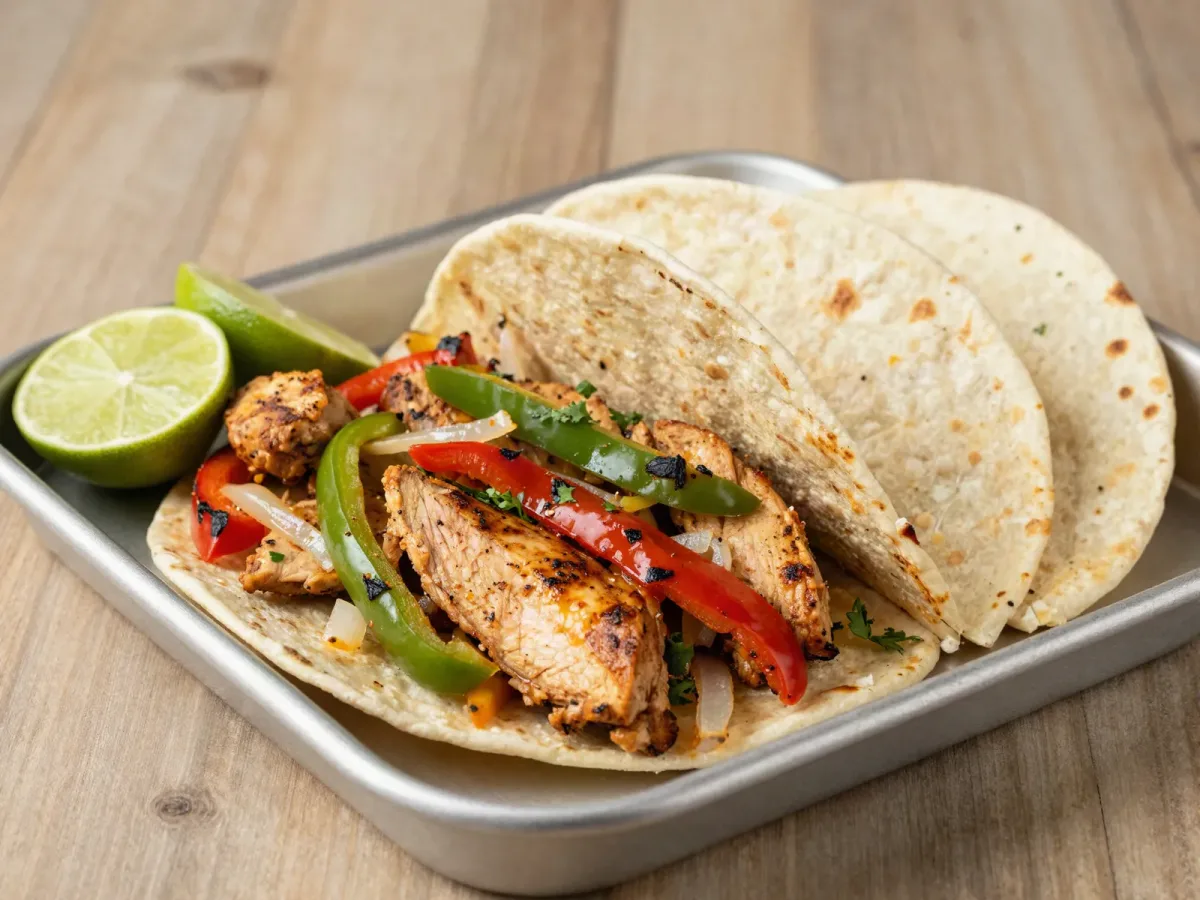
Sheet-Pan Chicken Fajitas
No ratings yetSheet pan chicken fajitas: chicken strips, peppers and onion roasted on one hot pan with a homemade spice blend, cooked to 165°F. Wrap in warm tortillas. Serves 4, ready in 35 minutes, about 640 calories per serving.
- Total
- 35min
- Serves
- 4
- Per serving
- 640cal
- Steps
- 7
Why this works
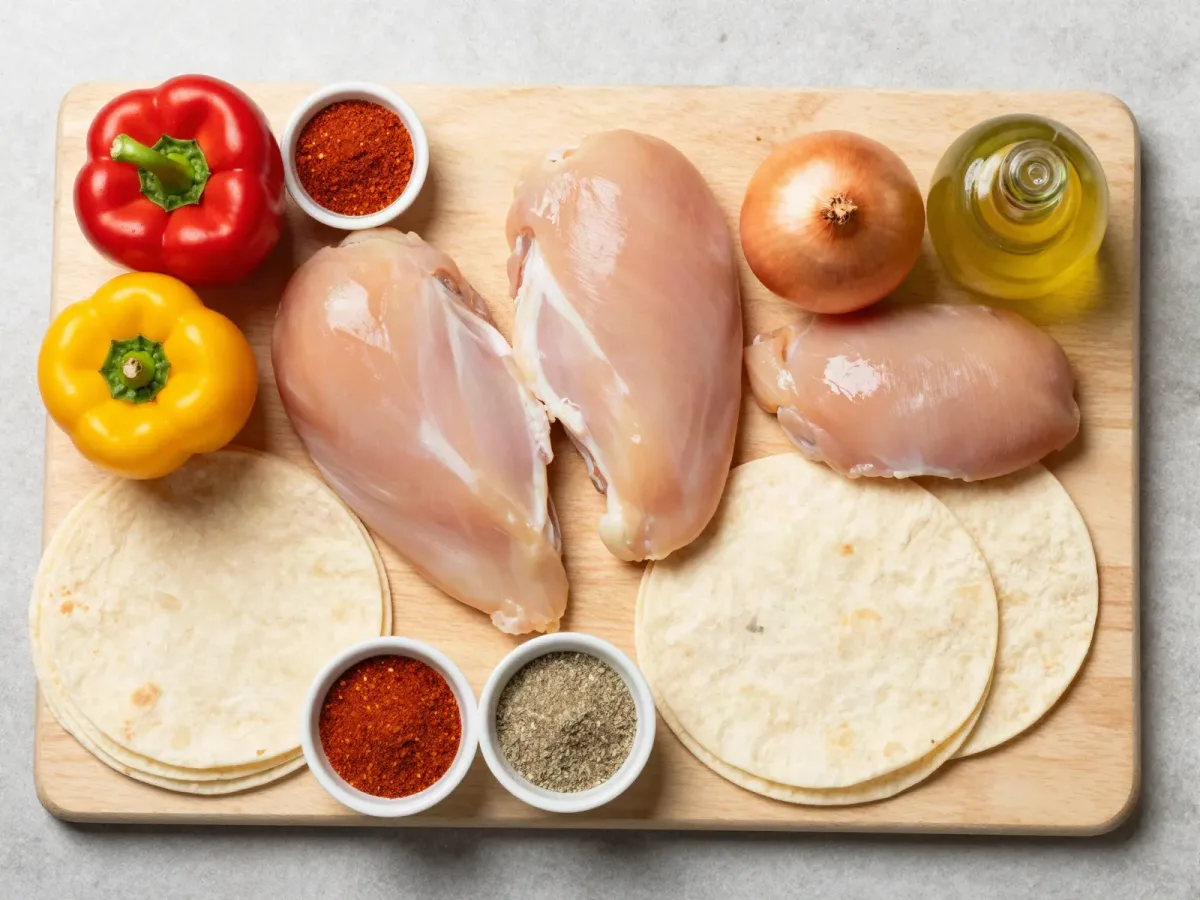
A 425°F oven gives the peppers and onion the browned edges you would get from a skillet, without cooking in batches. Thin, even strips of chicken cook through in the same 15 to 20 minutes the vegetables need, and a homemade spice blend avoids the extra salt and fillers in some seasoning packets.
Sheet-Pan Chicken Fajitas
Sheet pan chicken fajitas: chicken strips, peppers and onion roasted on one hot pan with a homemade spice blend, cooked to 165°F. Wrap in warm tortillas.
- Prep
- 15 min
- Cook
- 20 min
- Total
- 35 min
- Serves
- 4
Ingredients
Scaling changes amounts only; pan size and cooking times may need adjusting. Metric amounts are rounded conversions.
Contains: wheat
Instructions
- Heat the oven to 425°F with a rack in the center. Line a large rimmed sheet pan with foil or parchment, if you like.
What to look for
Set a rack in the center of the oven and heat it to 425°F. A center rack gives the most even heat for a single pan, and a fully preheated oven is what gives fajitas their browned, slightly charred edges. Use the largest rimmed sheet pan you have, ideally a half-sheet pan, since the chicken and vegetables need room to sit in one layer.
Line it with foil or parchment if you want easier cleanup. Note that parchment is not safe under the broiler at close range, so if you plan to use the optional broil in step 6, choose foil or leave the pan bare. While the oven heats, slice the chicken, peppers and onion to the same 1/2-inch thickness so everything finishes cooking at the same time.
- Mix the chili powder, cumin, paprika, garlic powder, oregano and salt in a small bowl.
What to look for
In a small bowl, stir together the 2 teaspoons chili powder, 1 teaspoon cumin, 1 teaspoon smoked paprika, 1 teaspoon garlic powder, 1/2 teaspoon oregano and 1 teaspoon salt until the color is even, with no streaks of a single spice. Crumble the oregano between your fingers as it goes in to release its aroma.
Mixing the blend first means the vegetables and chicken get the same balanced seasoning; sprinkling spices one by one onto the pan leaves some pieces heavily seasoned and others bare. Smell the blend: it should be warm, smoky and earthy. If it smells dusty or faint, your spices may be old, and the fajitas will taste flat. Divide the blend roughly in half by eye, since half goes on the vegetables and half on the chicken.
- On the sheet pan, toss the peppers and onion with 1 1/2 tablespoons of the oil and half the spice mix. Spread them in an even layer.
What to look for
Put the sliced peppers and onion directly on the sheet pan. Drizzle with 1 1/2 tablespoons of the oil and sprinkle with half the spice mix. Toss with your hands or tongs until every strip is lightly coated and glossy; separate the onion layers as you go so they cook evenly and do not stay in thick, raw clumps.
Spread the vegetables into an even layer across the whole pan, leaving room in the gaps for the chicken to touch the metal. Seasoning the vegetables on the pan saves a bowl, and because they take about as long as the chicken strips, they go in at the same time. If the pan looks completely covered with no bare spots, consider moving some vegetables to a second pan so they roast rather than steam.
- In a bowl, toss the chicken strips with the remaining 1 1/2 tablespoons oil and the rest of the spice mix. Scatter the chicken over the vegetables in a single layer. Wash your hands and anything that touched the raw chicken.
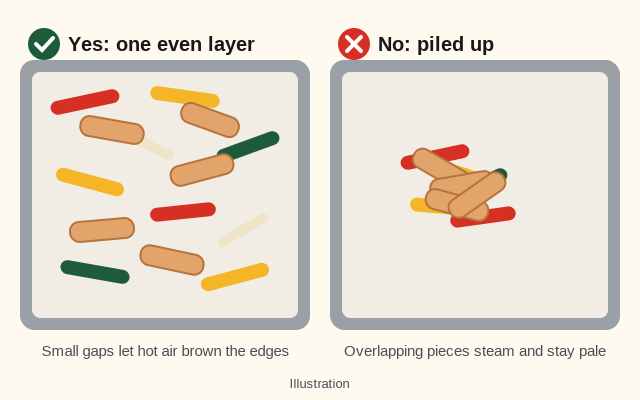
Illustration What to look for
In a bowl, toss the chicken strips with the remaining 1 1/2 tablespoons oil and the rest of the spice mix until each piece is evenly red and coated. Scatter the chicken over and among the vegetables in a single layer, making sure the strips are not stacked on top of each other. Strips that overlap cook more slowly in the middle and can stay underdone while the edges dry out.
Pieces that touch the pan directly brown better, so tuck some into the gaps. Once the chicken is on the pan, wash your hands, the bowl, the knife and the cutting board with hot, soapy water before touching the tortillas, toppings or spice jars, to avoid spreading bacteria from the raw chicken.
- Roast, stirring once halfway through, until the vegetables are tender and the thickest chicken strips read 165°F on a food thermometer, 15 to 20 minutes.
What to look for
Roast for 15 to 20 minutes, stirring once halfway through so the pieces brown on more than one side. Open the oven only for that one stir; each opening lets heat escape. When it is close, the peppers will be soft and bending with blistered spots, the onion translucent with darker edges, and the chicken opaque throughout with browned edges.
The color is a good sign, but it does not confirm safety. Insert a food thermometer sideways into the thickest strip so the tip sits in the center, and check that it reads 165°F. Check two or three pieces, especially any that were thicker or sat in the middle of the pan. If some strips are done before others, move them to a plate while the rest finish.
- For more char, switch the oven to broil for the last 2 minutes and watch closely.
What to look for
For more color, switch the oven to broil for the last 2 minutes. Stay at the oven door and watch closely the whole time: under the broiler, the edges of the peppers and chicken go from nicely charred to burnt in well under a minute. You are looking for darkened, blistered tips on the vegetables and deeper browning on the chicken, which adds the smoky, grilled flavor you would get from a skillet.
Make sure the pan is lined with foil or bare, since parchment can scorch under direct broiler heat. If your broiler is very strong, you can lower the rack a notch first. Skip this step entirely if the vegetables already have good color; the fajitas are fully cooked either way.
- Squeeze lime over the pan and serve with warm tortillas and your toppings.
What to look for
Take the pan out and squeeze the lime wedges over the hot chicken and vegetables. The heat helps the juice spread and mellow slightly, and it brightens the spices right away. Toss everything through the pan juices with tongs, since those juices carry much of the seasoning. Pile the filling into the 8 warm flour tortillas, about 1/2 cup each, and finish with any of the optional toppings.
Serving straight from the sheet pan keeps the filling hot and saves a dish. If the tortillas are not warm yet, wrap the stack in foil and heat it in the turned-off oven for a few minutes while you set out the toppings. Assemble each fajita just before eating so the tortillas stay soft rather than soggy.
Supper HQ · https://supperhq.com/recipes/sheet-pan-chicken-fajitas/
Good to know
Swaps & substitutions
| Ingredient | Why it's there | Substitute | What changes |
|---|---|---|---|
| Chicken breasts | Lean protein that cooks quickly in thin strips | Boneless, skinless thighs, or two 15-oz cans of black beans, drained | Thighs are juicier and more forgiving; beans make it vegetarian, need only 10 minutes and do not need a thermometer check |
| Bell peppers | Sweet, colorful base | Poblano peppers, or sliced zucchini | Poblanos are earthier with mild heat; zucchini is softer and releases more water |
| Yellow onion | Sweetness and charred edges | Red onion | Slightly sharper and adds purple color; chars similarly |
| Chili powder | Main seasoning and color | 1 tbsp store-bought fajita or taco seasoning | Most packets contain salt, so leave out the 1 tsp kosher salt; flavor varies by brand |
| Smoked paprika | Smoky, grilled flavor | Sweet paprika plus a pinch of chipotle chili powder | Similar color; chipotle adds both smoke and heat |
| Flour tortillas | Soft, sturdy wrapper | Corn tortillas, lettuce leaves, or rice in a bowl | Corn is wheat-free and has more flavor but is smaller and tears more easily; lettuce and rice bowls are lighter |
| Lime | Brightness for the spices | 1 tbsp orange juice plus 1 tsp lemon juice | Sweeter and less sharp, a little closer to some marinades |
Tips & common mistakes
- Cut the chicken, peppers and onion to the same 1/2-inch thickness so they finish together.
- Keep everything in a single layer. If the pan looks crowded, use two pans.
- Check the thickest chicken strips with a thermometer; they should read 165°F.
- If you broil at the end, stay at the oven; the edges go from charred to burnt quickly.
- Use a separate cutting board for the raw chicken, or wash it well before slicing the vegetables.
Common mistakes
- Using a store-bought seasoning packet plus the added salt. Most packets already contain salt. If you swap one in for the homemade blend, leave out the 1 teaspoon of kosher salt.
- Opening the oven to stir repeatedly. Each opening drops the oven temperature and slows browning. Stir once, halfway through, as written.
- Leaving the pan juices behind. The juices on the pan carry much of the spice. After squeezing the lime, toss the chicken and vegetables through them before serving.
- Serving cold, stiff tortillas. Flour tortillas tear when cold. Wrap the stack in foil and warm it in the oven during the last few minutes of roasting.
Storage & make-ahead
Refrigerate the chicken and vegetables separately from the tortillas. Reheat the filling to 165°F, the USDA's minimum for leftovers.
- Prep ahead: mix the spice blend in a jar and keep it in the pantry. Slice the vegetables earlier in the day and refrigerate them covered. Slice the chicken the same day and keep it refrigerated in a separate covered container until roasting.
- Freezing: the cooked chicken and vegetables freeze in airtight bags pressed flat, though the peppers soften. Freeze tortillas separately. Avocado, salsa and sour cream do not freeze well; add them fresh. For best quality, use within 3 to 4 months.
- Thawing and reheating: thaw in the refrigerator, in cold water or in the microwave. Reheat in a hot skillet so excess moisture cooks off.
Nutrition per serving
- Calories
- 640
- Protein
- 48 g
- Carbs
- 60 g
- Fiber
- 7 g
- Sugar
- 9 g
- Fat
- 23 g
- Sat. fat
- 5 g
- Sodium
- 1310 mg
How we calculated this
Approximate values for 1 of 4 servings, calculated from the ingredient list using USDA FoodData Central data (computed 2026-11-08). Raw ingredient weights are used, so fat lost in cooking is not subtracted, and brands vary, especially for sodium in broth, beans and salsa. Not included: salsa, avocado, cilantro or sour cream. Not a substitute for professional dietary advice.
Quick answers
How do I check thin chicken strips for doneness?
Insert a food thermometer sideways into the thickest strip so the tip sits in the center. The USDA's safe minimum for all poultry is 165°F. Cutting strips the same thickness helps them finish at the same time.
Can I use chicken thighs?
Yes. Boneless, skinless thighs stay juicier and take about the same time. Cook them to at least 165°F as well.
How do I warm tortillas?
Wrap the stack in foil and put it in the oven for the last 5 minutes of roasting, or heat them one at a time in a dry skillet for about 20 seconds per side.
Why are my fajita vegetables soft and watery instead of charred?
The most common cause is a crowded pan, which traps steam. Use a larger pan or split everything between two, and make sure the oven is fully preheated before the pan goes in. Peppers sliced thinner than 1/2 inch also soften before they can brown, so keep the strips even.
More from Sheet Pan Dinner Ideas
Read the guide
Ratings and reviews
Loading ratings…
Sources
- USDA FSIS — Safe Minimum Internal Temperature Chart (checked 2026-11-08)
Drafted with AI assistance and checked against the sources above by a human editor before publication. See our editorial policy and corrections.
Kitchen reference: How Long Does Cooked Chicken Last in the Fridge? · Cups to Grams and Other Kitchen Measurement Conversions · Safe Internal Temp for Chicken, Pork, Beef, Eggs and Fish
More dinners to try
All recipes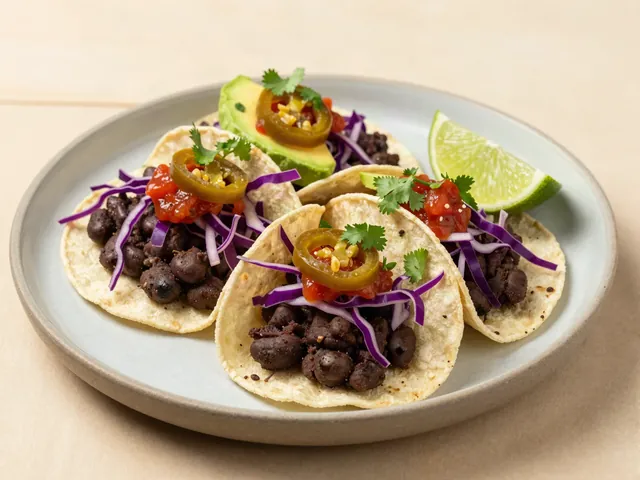
Pantry Black Bean Tacos
Black bean tacos from canned beans simmered with onion, garlic and cumin, lightly mashed and tucked into warm corn tortillas. Vegetarian, in 25 minutes.
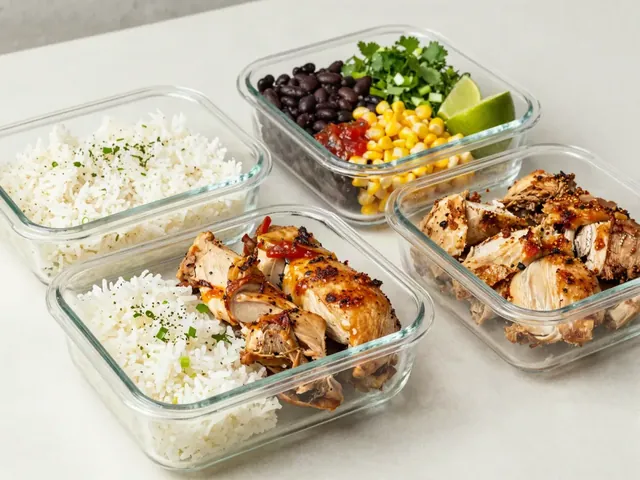
Meal-Prep Chicken Burrito Bowls
Chicken burrito bowls for meal prep: spiced roasted thighs, lime rice, black beans, corn and salsa in four containers for lunches. Chicken cooked to 165°F.
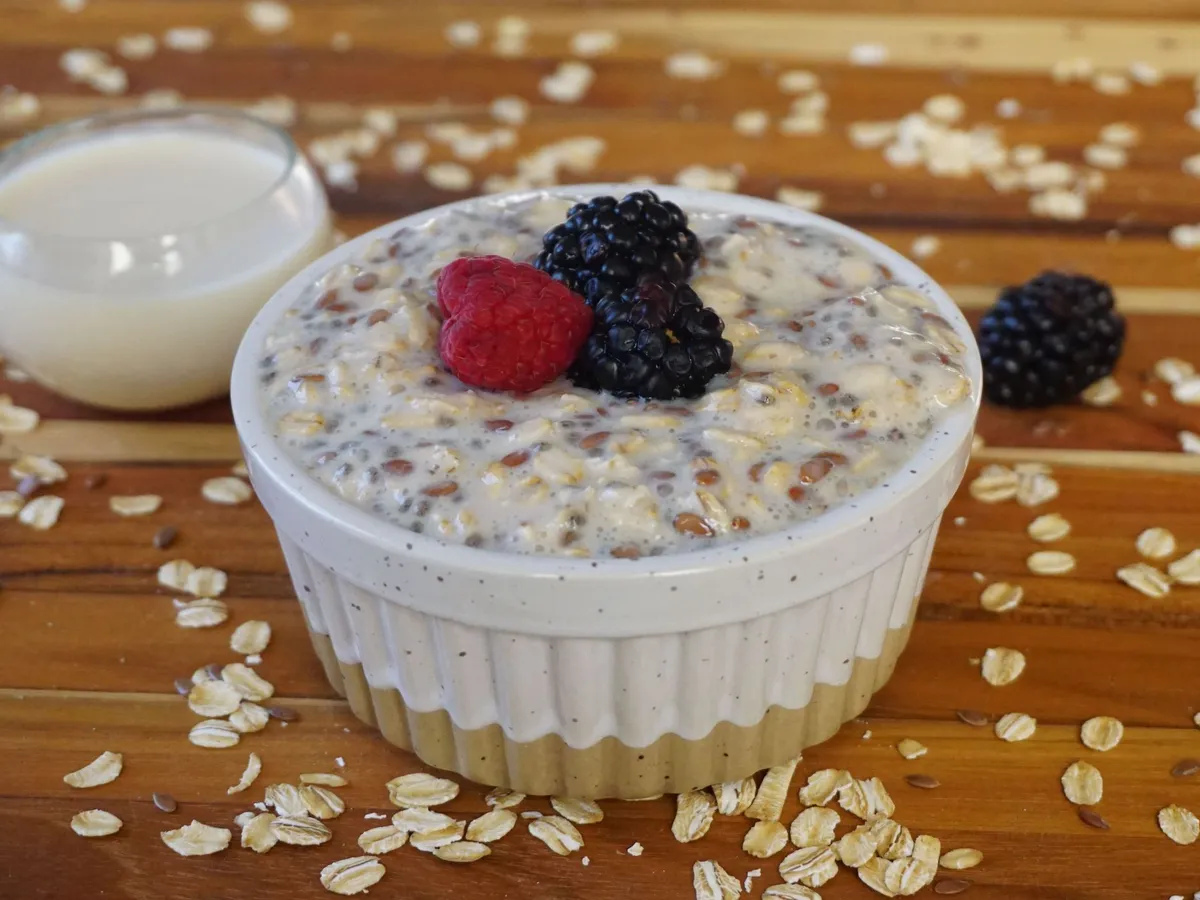
Make-Ahead Overnight Oats
Overnight oats with rolled oats, milk, Greek yogurt, chia and maple syrup. Mix four jars in 10 minutes for grab-and-go breakfasts, no cooking needed.
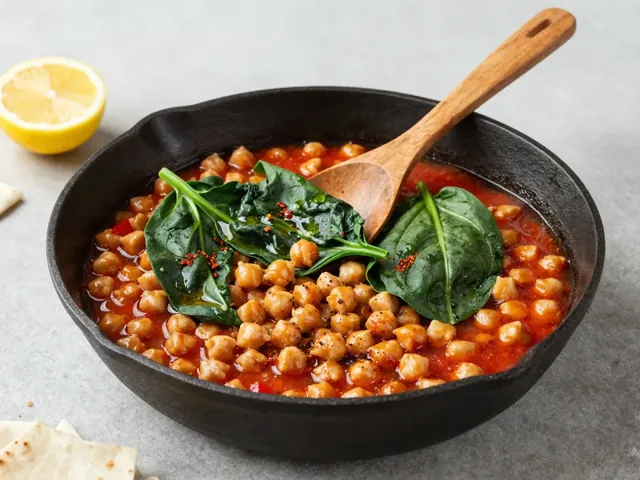
Pantry Chickpea and Tomato Skillet
A chickpea and tomato skillet from canned chickpeas, canned tomatoes and pantry spices, ready in 25 minutes. Serve with rice, crusty bread or a fried egg.