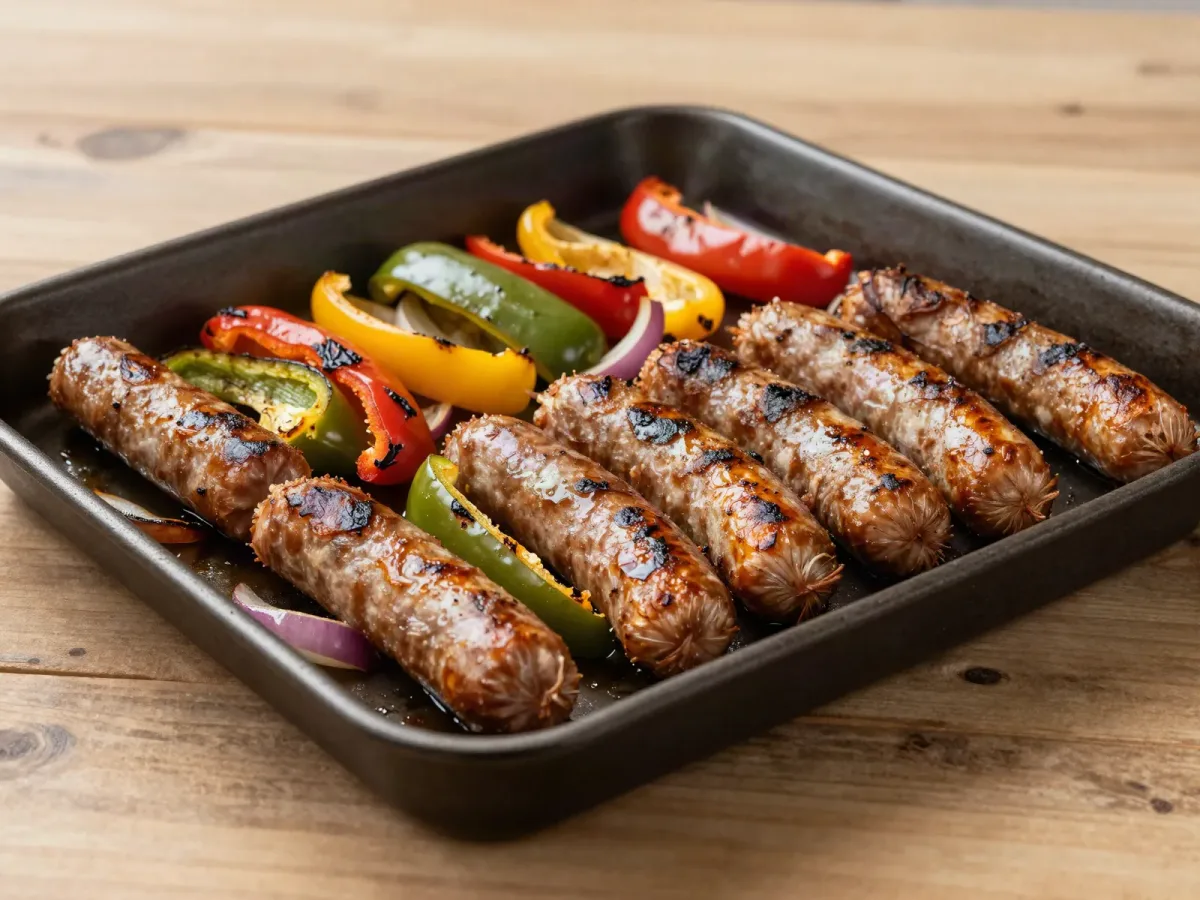
Sheet-Pan Sausage and Peppers
No ratings yetSheet pan sausage and peppers: Italian sausage, bell peppers and onion roasted on one pan at 425°F, cooked to the USDA-safe 160°F. Serve on rolls or pasta. Serves 4, ready in 40 minutes, about 590 calories per serving.
- Total
- 40min
- Serves
- 4
- Per serving
- 590cal
- Steps
- 6
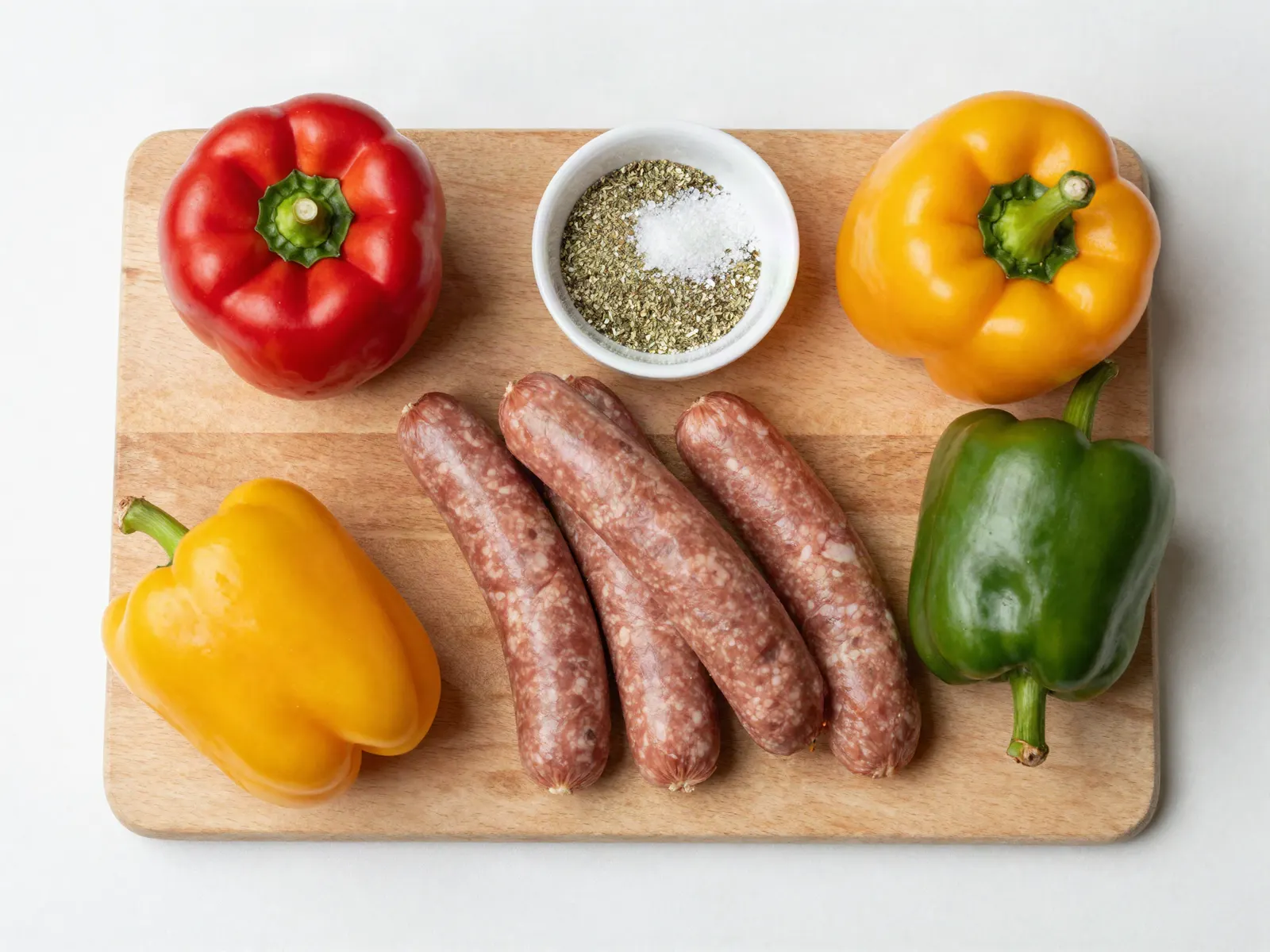
Why this works
High oven heat browns the sausage while its fat renders onto the pan and seasons the peppers and onion. Cutting the vegetables into strips of the same thickness means they soften in the same time the sausage needs to cook through.
Sheet-Pan Sausage and Peppers
Sheet pan sausage and peppers: Italian sausage, bell peppers and onion roasted on one pan at 425°F, cooked to the USDA-safe 160°F. Serve on rolls or pasta.
- Prep
- 10 min
- Cook
- 30 min
- Total
- 40 min
- Serves
- 4
Ingredients
Scaling changes amounts only; pan size and cooking times may need adjusting. Metric amounts are rounded conversions.
Instructions
- Heat the oven to 425°F with a rack in the center. Line a large rimmed sheet pan with foil or parchment, if you like.
What to look for
Set a rack in the center of the oven and heat it to 425°F. That temperature is high enough to brown the sausage casings and char the edges of the peppers while the sausage cooks through, and the center rack keeps the heat even from top to bottom. Let the oven preheat fully, usually 15 to 20 minutes.
Line a large rimmed sheet pan with foil or parchment if you like; sausage releases fat as it roasts, and the rim keeps it from dripping into the oven, while the liner saves scrubbing. Use the largest pan you have. While the oven heats, slice the 3 bell peppers into 1/2-inch strips and cut the onion into 1/2-inch wedges, keeping them at full width so they hold up for the entire roasting time.
- On the sheet pan, toss the peppers and onion with the oil, Italian seasoning, garlic powder, salt, pepper and red pepper flakes. Spread them in a single layer.
What to look for
Put the pepper strips and onion wedges directly on the sheet pan. Drizzle with the 2 tablespoons olive oil and sprinkle with the 1 teaspoon Italian seasoning, 1/2 teaspoon garlic powder, 1/2 teaspoon salt, 1/4 teaspoon black pepper and the red pepper flakes, if using. Toss with your hands until every strip is glossy and speckled with herbs; separating the onion layers as you go helps them cook evenly and pick up color.
Spread everything into a single, even layer. The vegetables are seasoned on their own because the sausage is already salted and spiced, so it does not need anything extra. Leave some gaps in the layer where the sausages will go, so the links can sit directly on the pan rather than on a bed of vegetables.
- Nestle the sausage links among the vegetables, spacing them so they touch the pan. Wash your hands and anything that touched the raw sausage.
What to look for
Tuck the 1 1/2 pounds of sausage links into the gaps among the vegetables, spacing them so each one touches the pan. Direct contact with the hot metal is what browns the casings; links resting on top of the peppers cook more slowly and stay pale on the bottom. Keep the casings whole rather than pricking them, so the juices stay inside the meat.
Leave a little space between links so hot air reaches all sides. If some links are noticeably thicker than others, place them toward the outer edges of the pan, where most ovens run hotter. Once the sausages are placed, wash your hands and anything that touched the raw sausage, including the package and any cutting board, with hot, soapy water before handling other ingredients.
- Roast for 15 minutes, then turn the sausages and stir the vegetables.
What to look for
Roast for 15 minutes. By then the sausages should have browned on the side touching the pan, and the vegetables will have started to soften and release some liquid. Take the pan out and turn each link with tongs so the pale side faces down. Stir the peppers and onions, moving any that are browning fast toward the center and pulling paler pieces to the edges.
This halfway turn gives the sausages even color and keeps the vegetables from scorching in one spot. If you see a lot of liquid pooling on the pan, the pan is crowded; spread things out or move some vegetables to a second pan before returning it to the oven. Work quickly so the oven does not lose much heat.
- Roast until the sausages are browned and read 160°F on a food thermometer inserted into the center of a link, and the peppers are soft with charred edges, 10 to 15 minutes more.
What to look for
Return the pan to the oven and roast for 10 to 15 minutes more. When it is close, the sausages will be deep golden brown and sizzling, with juices bubbling around them, and the peppers will be soft and slumped with charred, blackened edges. The onion should be tender and caramelized at the tips.
Color alone is not a reliable sign that sausage is safe, so insert a food thermometer through the end of a link into the center of the thickest one. Raw pork sausage needs to reach 160°F. If you use raw chicken or turkey sausage, it needs 165°F. If the sausages are done but the peppers need more color, move the links to a plate and return the vegetables for a few minutes.
- Rest for 5 minutes. Slice the sausages or serve them whole with the peppers and onions.
What to look for
Let the sausages rest on the pan or a cutting board for 5 minutes. Resting allows the juices, which are pushed toward the center during roasting, to settle back through the meat, so they stay inside rather than running out onto the board when you slice. Meanwhile, toss the peppers and onions in the rendered fat and juices on the pan, which are full of flavor.
Serve the links whole, or slice them on a slight diagonal into 1-inch pieces and mix them back in with the vegetables. Whole links work well on a dinner plate; sliced sausage is easier for rolls, pasta or rice. Scrape up the browned bits on the pan and spoon them over each serving for extra savory flavor.
Supper HQ · https://supperhq.com/recipes/sheet-pan-sausage-peppers/
Good to know
Swaps & substitutions
| Ingredient | Why it's there | Substitute | What changes |
|---|---|---|---|
| Italian sausage links | Seasoned meat that renders flavorful fat | Raw chicken or turkey Italian sausage, or precooked sausage | Poultry sausage is leaner and must reach 165°F; precooked sausage goes in for only the last 10 to 12 minutes |
| Bell peppers | Sweet, soft strips with charred edges | Cubanelle or poblano peppers, or a mix | Cubanelles are thinner and cook faster; poblanos add mild heat and an earthier flavor |
| Yellow onion | Sweet, caramelized pieces | Red onion or 2 sliced shallots | Red onion is sharper and adds color; shallots turn very sweet and soft |
| Olive oil | Helps the vegetables brown | Avocado or vegetable oil | More neutral flavor; both handle 425°F well |
| Dried Italian seasoning | Herb blend in one jar | 1/2 tsp dried oregano plus 1/2 tsp dried basil | Similar flavor, slightly more oregano-forward |
| Garlic powder | Even garlic flavor that does not burn | 4 whole garlic cloves, smashed | Soft, sweet roasted garlic; minced fresh garlic would scorch over 30 minutes |
| Red pepper flakes | Optional heat | Hot Italian sausage instead of sweet, or pickled pepperoncini added after roasting | Hot sausage spreads heat through the meat; pepperoncini add tangy heat |
Tips & common mistakes
- Space the links so they touch the pan and brown, instead of sitting on top of the vegetables.
- Leave the casings intact; pricking sausages lets juices run out.
- Turn the sausages and stir the vegetables at the 15-minute mark.
- Check the center of a link with a thermometer: pork sausage needs 160°F, chicken or turkey sausage 165°F.
- Rest the sausages for 5 minutes before slicing so the juices stay inside.
Common mistakes
- Using fully cooked sausage on the same schedule. Precooked sausage dries out over the full roasting time. Roast the peppers and onion first and add precooked links near the end, just until browned and heated to 165°F.
- Slicing the peppers thinner than 1/2 inch. Thin strips burn at the edges and collapse before the sausage is done. Keep them at the full width.
- Cutting the sausage into pieces before roasting. Cut pieces lose their juices and dry out. Roast the links whole and slice them after resting.
Storage & make-ahead
Refrigerate leftovers in a covered container. Reheat to 165°F, the USDA's minimum for leftovers.
- Prep ahead: slice the peppers and onion earlier in the day and refrigerate them covered. Mix the Italian seasoning, garlic powder, salt, pepper and red pepper flakes in a small jar.
- Freezing: the cooked sausage, peppers and onion freeze well. Refrigerate within 2 hours in shallow containers to cool, then freeze in airtight bags or containers with the air pressed out. The peppers soften after thawing, which suits sandwiches and pasta. For best quality, use within 3 to 4 months. Do not freeze it inside toasted rolls; the bread turns soggy.
- Thawing and reheating: thaw in the refrigerator, in cold water or in the microwave. Reheat in a skillet or the oven to keep the sausage browned.
Nutrition per serving
- Calories
- 590
- Protein
- 25 g
- Carbs
- 15 g
- Fiber
- 2.5 g
- Sugar
- 7 g
- Fat
- 48 g
- Sat. fat
- 16 g
- Sodium
- 1200 mg
How we calculated this
Approximate values for 1 of 4 servings, calculated from the ingredient list using USDA FoodData Central data (computed 2026-11-08). Raw ingredient weights are used, so fat lost in cooking is not subtracted, and brands vary, especially for sodium in broth, beans and salsa. Not a substitute for professional dietary advice.
Quick answers
How do I know the sausage is cooked through?
Check the center of the thickest link with a food thermometer. Raw pork sausage is a ground meat, and the USDA's safe minimum for ground pork is 160°F. If you use raw chicken or turkey sausage, cook it to 165°F instead. Color is not a reliable sign of safety.
Can I use precooked sausage?
Yes. Precooked sausage only needs to heat through and brown, so roast the vegetables for about 15 minutes first, then add the sliced sausage for the last 10 to 12 minutes.
Why are my peppers watery instead of browned?
The pan is probably crowded. Vegetables release steam as they cook, and if they overlap, they steam instead of roast. Use the largest sheet pan you have, or split everything between two pans.
Can I turn this into a saucy pasta dinner?
Yes. After the sausages rest, slice them and return them to the pan with the vegetables, then stir in about 2 cups of warm marinara. Toss with 12 ounces of cooked pasta and a splash of the pasta cooking water to loosen the sauce. The pan juices blend into the marinara and add flavor.
More from Sheet Pan Dinner Ideas
Read the guide
Ratings and reviews
Loading ratings…
Sources
- USDA FSIS — Safe Minimum Internal Temperature Chart (checked 2026-11-08)
Drafted with AI assistance and checked against the sources above by a human editor before publication. See our editorial policy and corrections.
Kitchen reference: How Long Does Cooked Chicken Last in the Fridge? · Cups to Grams and Other Kitchen Measurement Conversions · Safe Internal Temp for Chicken, Pork, Beef, Eggs and Fish
More dinners to try
All recipes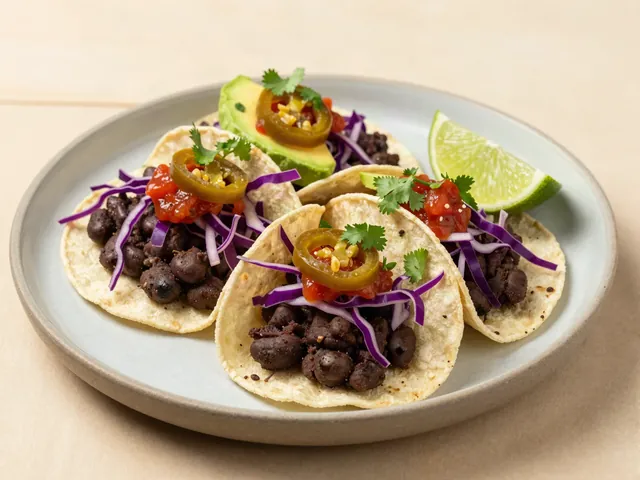
Pantry Black Bean Tacos
Black bean tacos from canned beans simmered with onion, garlic and cumin, lightly mashed and tucked into warm corn tortillas. Vegetarian, in 25 minutes.
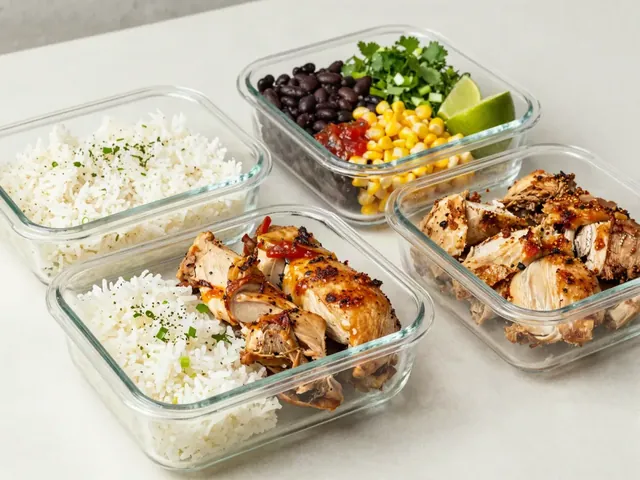
Meal-Prep Chicken Burrito Bowls
Chicken burrito bowls for meal prep: spiced roasted thighs, lime rice, black beans, corn and salsa in four containers for lunches. Chicken cooked to 165°F.
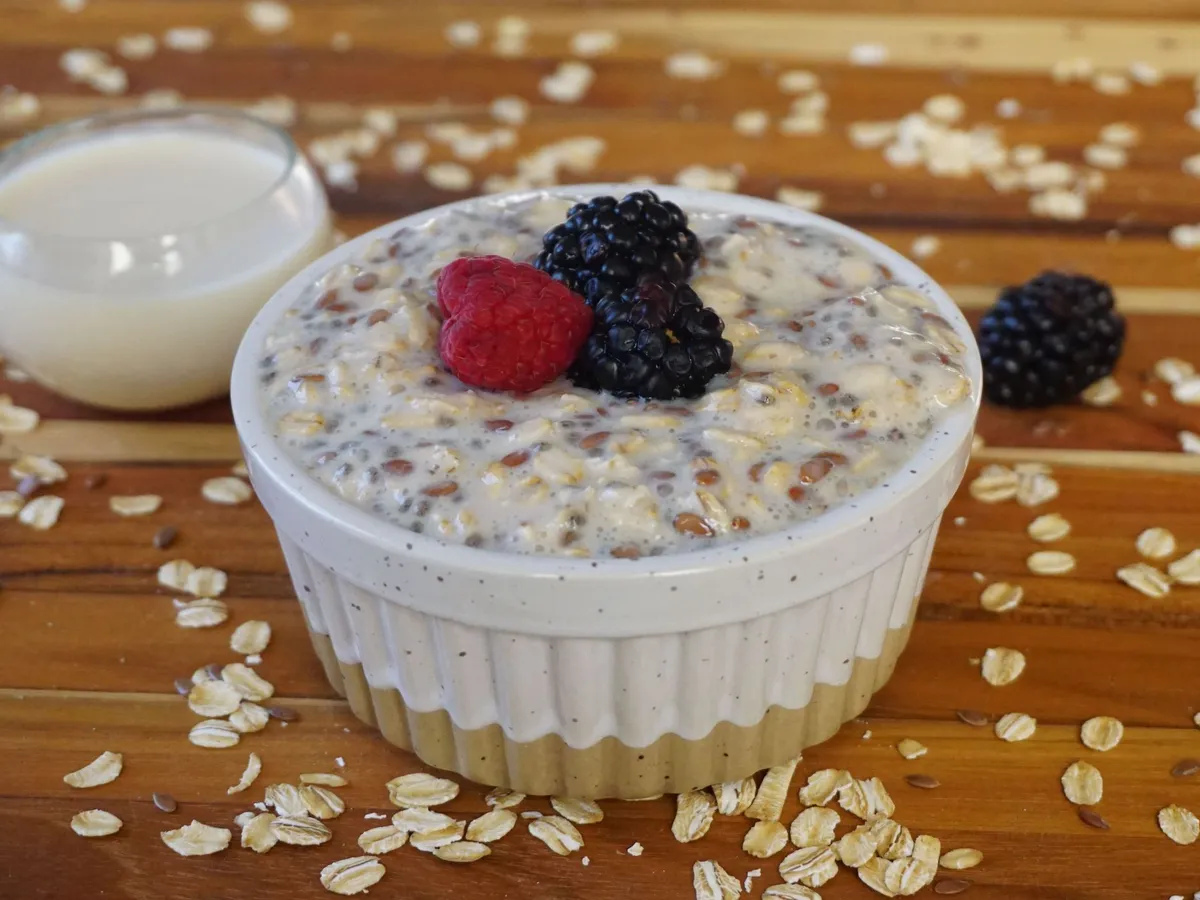
Make-Ahead Overnight Oats
Overnight oats with rolled oats, milk, Greek yogurt, chia and maple syrup. Mix four jars in 10 minutes for grab-and-go breakfasts, no cooking needed.
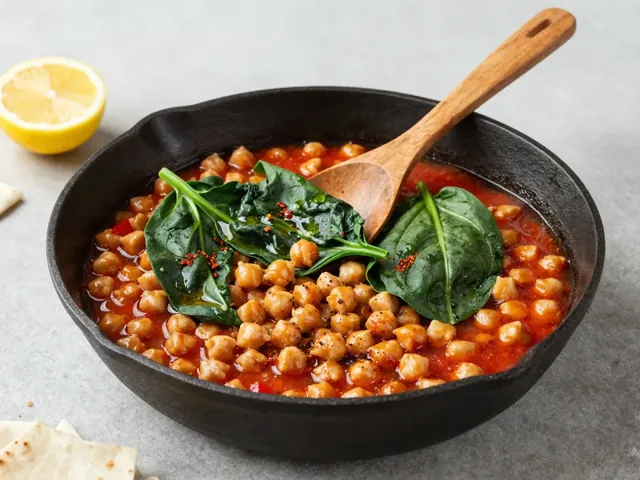
Pantry Chickpea and Tomato Skillet
A chickpea and tomato skillet from canned chickpeas, canned tomatoes and pantry spices, ready in 25 minutes. Serve with rice, crusty bread or a fried egg.